Four-color · Color Identity
Ink-Treader / Altruism (WURG): The Four-Color Identity Without Black
White, blue, red and green is every color except black: every kind of mana, every kind of card draw, and none of the tutors or unconditional removal that black brings.
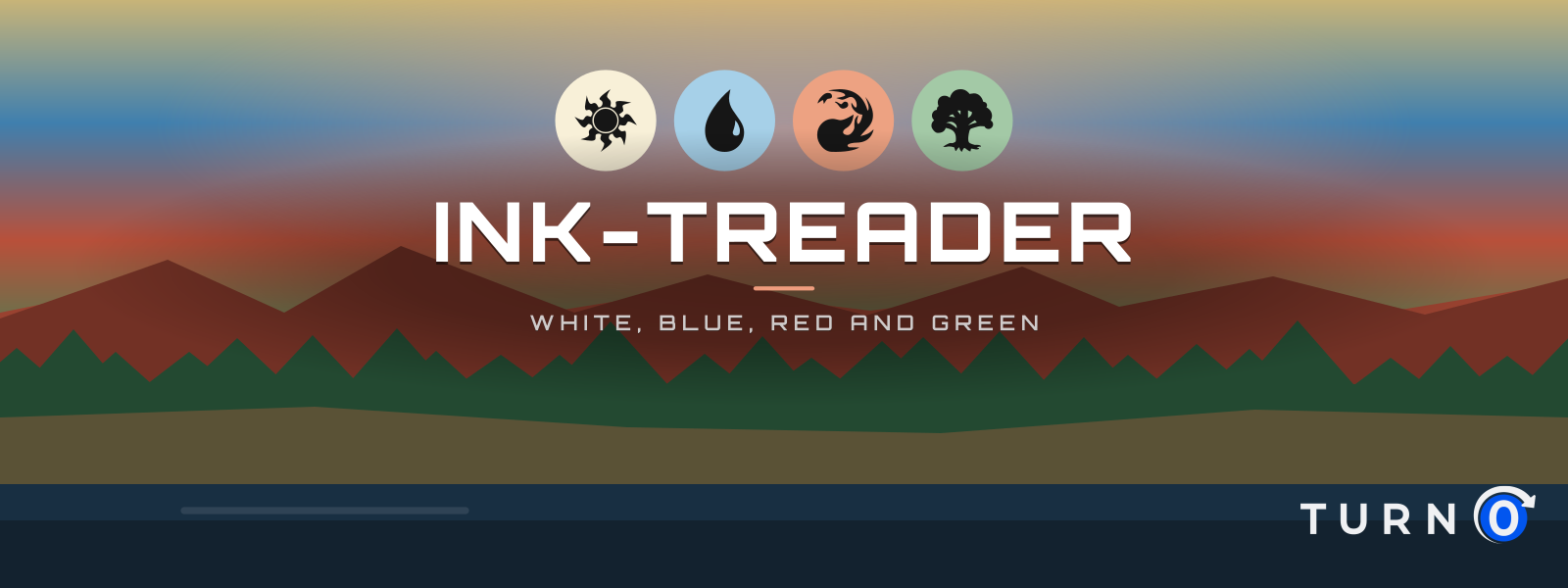
Ink-Treader is white, blue, red and green, the four-color identity. Everything except black: ramp, draw, removal and the format's best group-hug shell.
Also called WURG, Altruism, No black, Non-Black.
Where the Name Comes From
Ink-Treader Nephilim, from Guildpact (2006); "Altruism" from the Commander 2016 deck.
Ink-Treader Nephilim, from Guildpact in 2006, is the four-color creature that copies any spell targeting it onto every other creature on the battlefield: a genuinely interesting card that, being non-legendary, cannot lead a deck in the identity it named. That is true of all five Nephilim and remains the format's neatest naming irony.
Commander 2016 named this identity Altruism, and its deck (fronted by Kynaios and Tiro of Meletis) is the format's definitive group-hug shell: everybody draws, everybody plays extra lands, and the deck that built the table wins in the aftermath. The identity's other headline card, Omnath, Locus of Creation, arrived in 2020 and was strong enough to be banned in Standard, which is not a sentence you often write about a four-color legend.
All 32 color combinations and where each name came from →How Ink-Treader Plays
This is the most generous four-color identity and the most mana-efficient one. Green ramps, blue draws, red accelerates and white cleans up, and the absence of black (the color of tutors and unconditional removal) is mostly felt in consistency rather than in power.
Its signature archetype is group hug: cards that give everybody resources, paired with payoffs that convert other people's draws and land drops into your advantage. It is a genuinely different way to play Commander, since the deck is politically safe for most of the game and then abruptly is not.
The other build is landfall, off Omnath, Locus of Creation, which draws, gains life and deals damage as lands enter, and turns green's ramp into a win condition rather than a set-up phase. Both builds share the identity's weakness: no tutors, so the deck plays whatever it draws, and no unconditional kill spells, so a resolved indestructible threat is genuinely a problem.
What It Does Well, and What It Doesn't
Strengths
- Green's ramp and red's rituals with blue's draw and white's removal: no resource is missing.
- The best group-hug package in Magic, plus the payoffs that make giving things away profitable.
- Excellent landfall support, which turns ramp into card advantage and damage.
- Every kind of interaction except discard: counterspells, exile, burn, fight and bounce.
Weaknesses
- No black means no tutors, so the deck is far less consistent than its card quality suggests.
- No unconditional creature removal and no edicts: hexproof and indestructible are real problems.
- No recursion worth the name, so a destroyed permanent is gone.
- Four colors of mana base, and group hug hands your opponents resources too.
Best Ink-Treader Commanders
The command zones that define the identity rather than the ones winning this week: the pips beside each name are its color identity, which is what it lets you play in the other 99.
Commander Spotlight
Omnath, Locus of Creation ↗
Gains four life on the first land each turn, deals four damage on the second and draws a card and makes mana on the third. A four-color landfall engine strong enough to have been banned in Standard.
Kynaios and Tiro of Meletis ↗
Everybody draws and everybody may play an extra land, and you draw first. The Commander 2016 face commander and the definitive group-hug deck.
Thrasios, Triton Hero ↗
Partner. Pairs with Akiri to make this identity, and turns spare mana into cards or lands indefinitely.
Akiri, Line-Slinger ↗
Partner. The red-white half of that pair, and an equipment payoff with first strike.
Kydele, Chosen of Kruphix ↗
Partner. Taps for colorless mana equal to the cards you have drawn this turn: an engine that scales with the identity's own card draw.
Frequently Asked Questions
What is the WURG color combination called?
Ink-Treader, after Ink-Treader Nephilim from Guildpact (2006), or Altruism, after the Commander 2016 deck fronted by Kynaios and Tiro of Meletis. Most players say "no black". All three mean white-blue-red-green.
Does group hug actually win games?
It can, and the good versions are built around a specific payoff rather than around generosity. Handing everybody cards and lands buys you an enormous amount of political goodwill and keeps you alive; the deck then wins with a card that punishes the very thing it has been encouraging: an effect that damages players for drawing, or a threat nobody kept removal for. A group-hug deck with no payoff is a deck that helps somebody else win.
What does leaving out black cost?
Consistency, mostly. Black is where the format's tutors live, so a deck without it draws what it draws, which matters more in a hundred-card singleton deck than anywhere else. It also gives up unconditional removal and edicts, so anything with hexproof or indestructible has to be answered by exile, bounce or a fight.
See how your decks actually perform, by color.
Track your games with TurnZero HQ and every deck gets its own record: win rate, rating and what it beat. Free to start.
Create Free Account