Yu-Gi-Oh! Rules Explained
Missing the Timing in Yu-Gi-Oh!: "When" vs. "If"
An optional effect worded "When ... you can" only works if the event it responds to was the last thing that happened. If anything else happens after that event, such as the second half of a "then" effect, the effect cannot be activated. Players call that missing the timing. Effects worded "If" do not have this problem.
The rule
"Missing the timing" is a player term, not a phrase Konami's rulebook uses. The rule behind it is in Konami's Problem-Solving Card Text article on conjunctions (Part 7, December 2012):
Konami, Problem-Solving Card Text, Part 7 · Why Timing Is Important
"Certain Trigger Effects and fast effects have to be used in response to a triggering event (like a monster being destroyed, or a Summon happening). Depending on how your card is written, it might only be usable in response to a triggering event that was 'the last thing that happened'. (This is usually the case for cards that 'CAN' be used 'WHEN' something happens.)"
So the test has two parts. Is the effect optional and worded "When"? And was its event the last thing that happened? If the answers are yes and no, the effect cannot be activated, and the chance does not come back later in the turn.
Which effects can miss the timing
Konami's article names cards that "can" be used "when" something happens, which means optional effects worded "When". Konami's English articles do not state a one-line rule for the other wordings. In tournament play, effects worded "If", and mandatory effects, are treated as waiting until they get a chance to activate, and Konami's 2021 Rules Update describes a Trigger Effect in that position as being "saved for later".
Konami has moved many cards from "When" to "If" as it reprints them. Its 2011 Problem-Solving Card Text article quoted Sangan as "When this card is sent from the field to the Graveyard: Add 1 monster ...". The card's current text reads "If this card is sent from the field to the GY: Add 1 monster ...". Always read the current text, which is what TurnZero HQ's card pages show.

Peten the Dark Clown
DPKB-EN019
"When ... You can": can miss the timing.
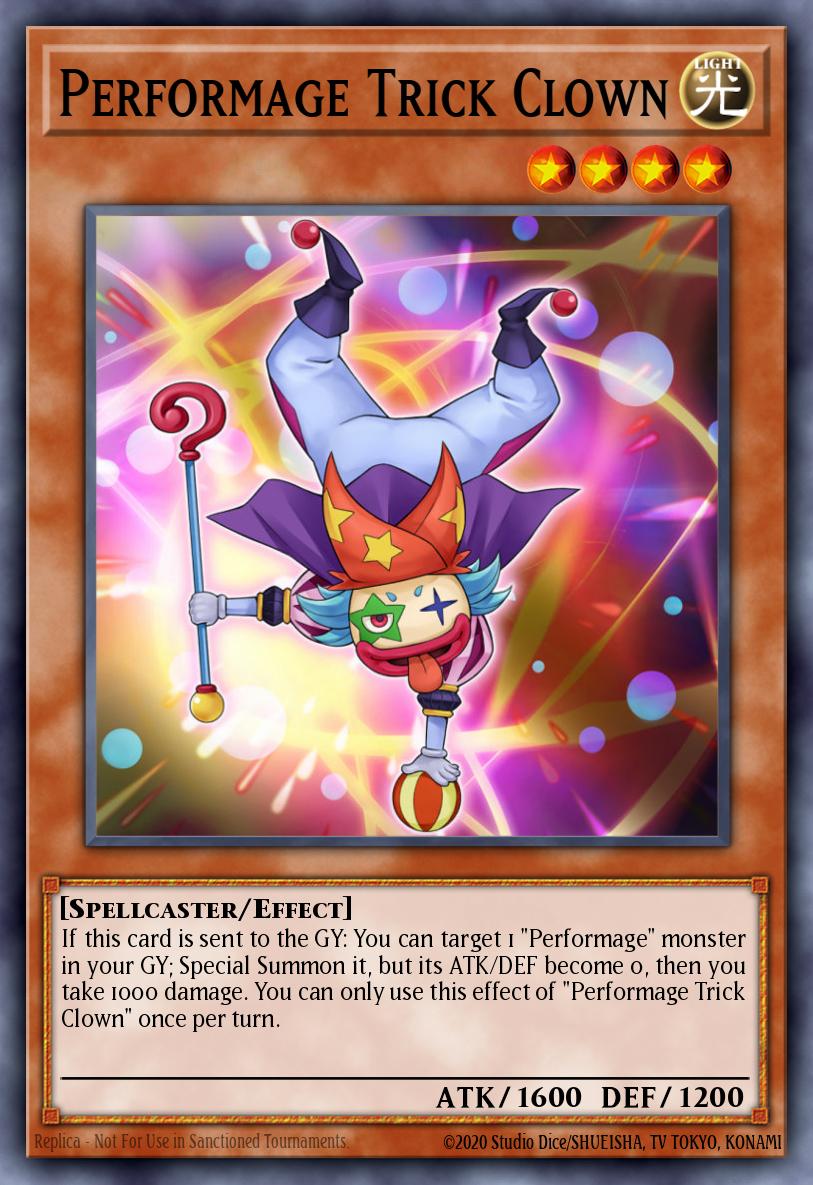
Performage Trick Clown
BLRR-EN060
"If ... You can": waits for its chance.

Mobius the Frost Monarch
BP01-EN009
"When this card is Tribute Summoned: You can".

Zaborg the Thunder Monarch
AST-023
"If this card is Tribute Summoned", and mandatory.
How "then" causes it
Within one effect, the joining word decides what the last thing was. Konami's Part 7 article says "then" puts the second action after the first, while "also", "and if you do" and plain "and" make both happen at the same time.
Konami's example for "and if you do" is Memory of an Adversary: "You take damage equal to the attacking monster's ATK, and if you do, banish that monster." The article says effects that activate "WHEN" you take damage, and effects that activate "WHEN" a monster is banished or leaves the field, can both be used right after it resolves. The card text page covers what each conjunction does when part of an effect fails.
Worked examples
Heraldry Change and Torrential Tribute (Konami's example)
Your opponent declares an attack. You activate Heraldry Change: "Special Summon 1 'Heraldic Beast' monster from your hand, then end the Battle Phase."
It resolves. You Special Summon a Heraldic Beast monster, then the Battle Phase ends.
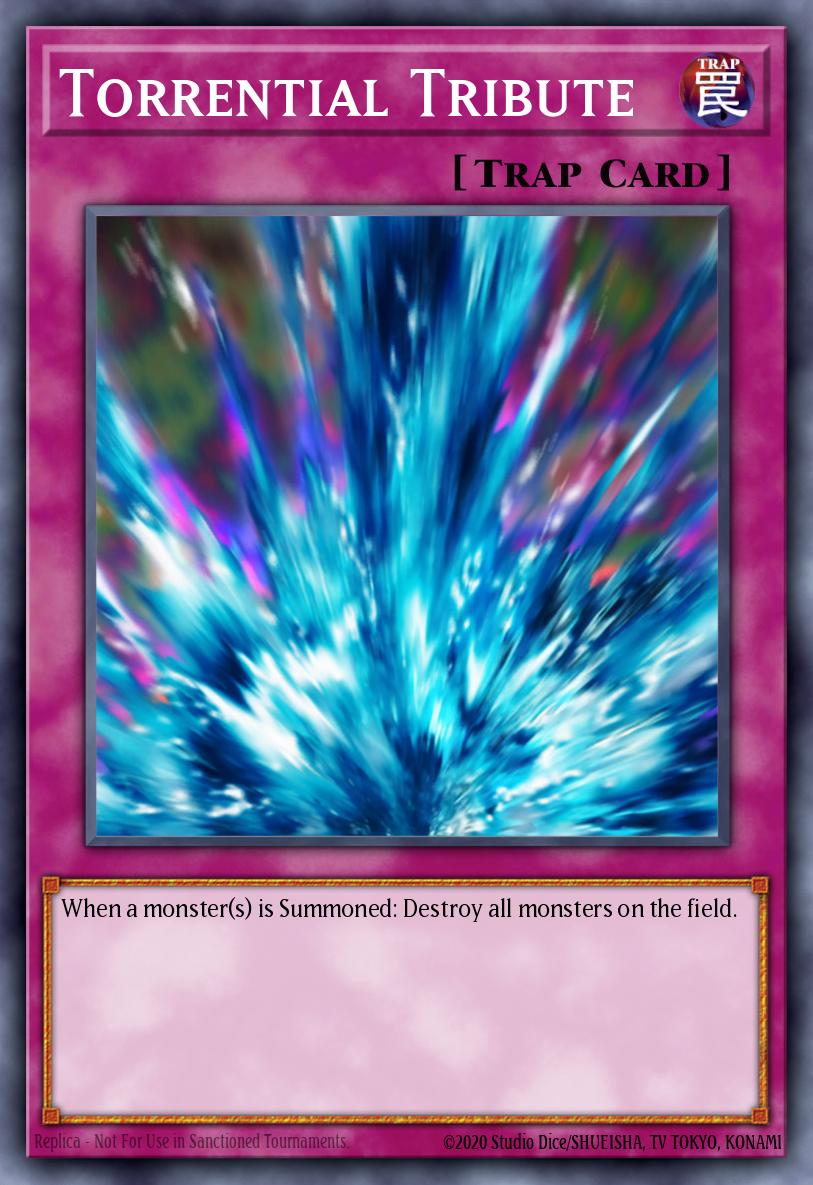
Your opponent wants to activate Torrential Tribute, which reads "When a monster(s) is Summoned: Destroy all monsters on the field."
They cannot. The last thing that happened was the Battle Phase ending, not the Summon. Konami's article says neither player can activate cards like Torrential Tribute here.
Hand Destruction and Peten the Dark Clown
Your opponent activates Hand Destruction: "Each player sends 2 cards from their hand to the GY, then draws 2 cards."
You send Peten the Dark Clown and another card from your hand to the GY, then each player draws 2 cards.
Peten reads "When this card is sent to your Graveyard: You can ...". Its event, being sent to the GY, was followed by the draw, so it was not the last thing that happened. Peten misses the timing.
If you had sent Performage Trick Clown instead, its "If this card is sent to the GY: You can ..." effect could still be activated after Hand Destruction finished resolving.


Inside a chain
The same check applies across a chain, because each Chain Link resolving is another thing happening. If your Peten the Dark Clown is sent to the GY while Chain Link 2 resolves, and Chain Link 1 then resolves, Peten's event was not the last thing that happened, and it cannot be activated after the chain.
Timing that lands at the very end is fine. If Peten is destroyed by Dark Hole as the only Chain Link, being sent to the GY is the last thing that happened, and Peten can be activated. When several effects trigger at that moment, they are ordered by the SEGOC rules.
Checking a card in three steps
- Read the card's current text. Older printings may say "When" where the current text says "If".
- Check the wording before the colon. Only an optional effect ("you can") worded "When" has this restriction.
- Find the last thing that happened. Look for "then" in the effect that caused the event, and for any Chain Links that resolved afterward.
If a tournament ruling depends on it, ask the judge. The page on Chains and Spell Speed covers how chains resolve, which is the other half of most timing questions.
Common timing mistakes
Assuming every "When" effect can miss the timing. Konami describes the restriction for optional effects, ones that say "you can".
Treating "and if you do" like "then". Both parts of an "and if you do" effect happen at the same time.
Reading an old printing. The current text may say "If" where your copy says "When".
Activating a missed effect later in the turn. Once the window has passed, it does not reopen.
Frequently Asked Questions
What does missing the timing mean in Yu-Gi-Oh!?
It means an effect could not be activated because the event it responds to was not the last thing that happened. Konami describes this restriction for cards that "can" be used "when" something happens. If something else happens after the triggering event, for example the second half of a "then" effect, the window to activate has passed.
Can "If" effects miss the timing?
Konami's article ties the restriction to effects that can be used "when" something happens. Effects worded "If ..." are not treated as having it: they wait until they get a chance to activate. Many older cards were reprinted with "If" wording; Sangan's current text begins "If this card is sent from the field to the GY".
Can mandatory effects miss the timing?
Konami's article describes the restriction for effects that "can" be used when something happens, which are optional effects. A mandatory effect, one that does not say "you can", is not described as missing the timing, even when its wording is "When".
Does "and if you do" cause effects to miss the timing?
No. Konami's Problem-Solving Card Text article says "and if you do", "also" and "and" make both parts happen at the same time, so both count as the last thing that happened. Only "then" puts one part after the other.
Why can't I activate Torrential Tribute after Heraldry Change?
Heraldry Change Special Summons a monster, then ends the Battle Phase. Konami's own example says that after it resolves, the last thing that happened was the Battle Phase ending, not the Summon, so neither player can activate a card like Torrential Tribute that activates "When a monster(s) is Summoned".
Build and check your Yu-Gi-Oh! deck in TurnZero HQ.
Look up any card's current text, build a deck, deal sample hands, and check the list against the Forbidden & Limited List. Free on iPhone, Android and the web.
Create Free AccountYu-Gi-Oh! card names and images are the property of Konami Digital Entertainment and their respective owners. ©Studio Dice/SHUEISHA, TV TOKYO, KONAMI. TurnZero HQ is not affiliated with, sponsored, or endorsed by Konami. Card data comes from YGOPRODeck, and prices from TCGplayer via TCGCSV.