Yu-Gi-Oh! Rules Explained
Yu-Gi-Oh! Fast Effect Timing: Who Can Respond First
Your opponent does not get to respond to everything the moment it happens. After a Summon that triggers nothing, or a chain that has finished resolving, the turn player gets the first chance to activate a fast effect. Konami's Fast Effect Timing rules set out who goes next at every point in a turn.
What a fast effect is
Konami's Fast Effect Timing page defines a fast effect by Spell Speed: any card activation or effect with a Spell Speed of 2 or higher. That covers monster Quick Effects, Quick-Play Spells and Trap Cards, including the effects of Continuous Traps already face-up.
Spell Speed 1 cards are not fast effects. Normal Spells and Ignition Effects can only be used when the game state is open, and Trigger Effects activate when their condition is met. The page on Chains and Spell Speed covers which card types have which Spell Speed. This page covers the order in which players get to use them.

The open game state
Every phase and step begins with the game state "open". Konami describes it as the point where "the turn player has complete freedom of action." Many actions can only be taken then:
Normal Summon or Set a monster, including a Tribute Summon.
Set a Spell or Trap Card.
Perform a Special Summon that does not start a chain, such as an Xyz or Synchro Summon.
Change a monster's battle position.
Declare an attack.
Activate an Ignition Effect or a Spell Speed 1 Spell Card.
Draw for the turn in the Draw Phase, or try to move to the next phase or step.
The game state stops being open as soon as either player does anything. It becomes open again when nothing is going on and neither player wants to act. Konami spells out the condition:
Konami, Fast Effect Timing · Making the game state open again
"IF the Turn Player has the chance to activate the next fast effect AND the turn player passes to the opponent AND the opponent then passes back AND no Chain is currently being formed ...then the game state is open again."
Who goes next
Konami's chart answers one question: who has the next chance to activate a fast effect? Usually it is the turn player. During a chain, the chance passes back and forth.
The rulebook describes the same idea as priority: "The turn player always starts with Priority, or the choice to activate a card first, in each phase or step of their turn." While the turn player has it, the opponent can only activate effects that activate automatically, such as Trigger or Flip effects (Konami Official Rulebook, Version 10, page 48).
After a Summon
Summoning is not an activation, so nothing can be chained to the Summon itself. What happens next depends on whether the Summon triggers anything.
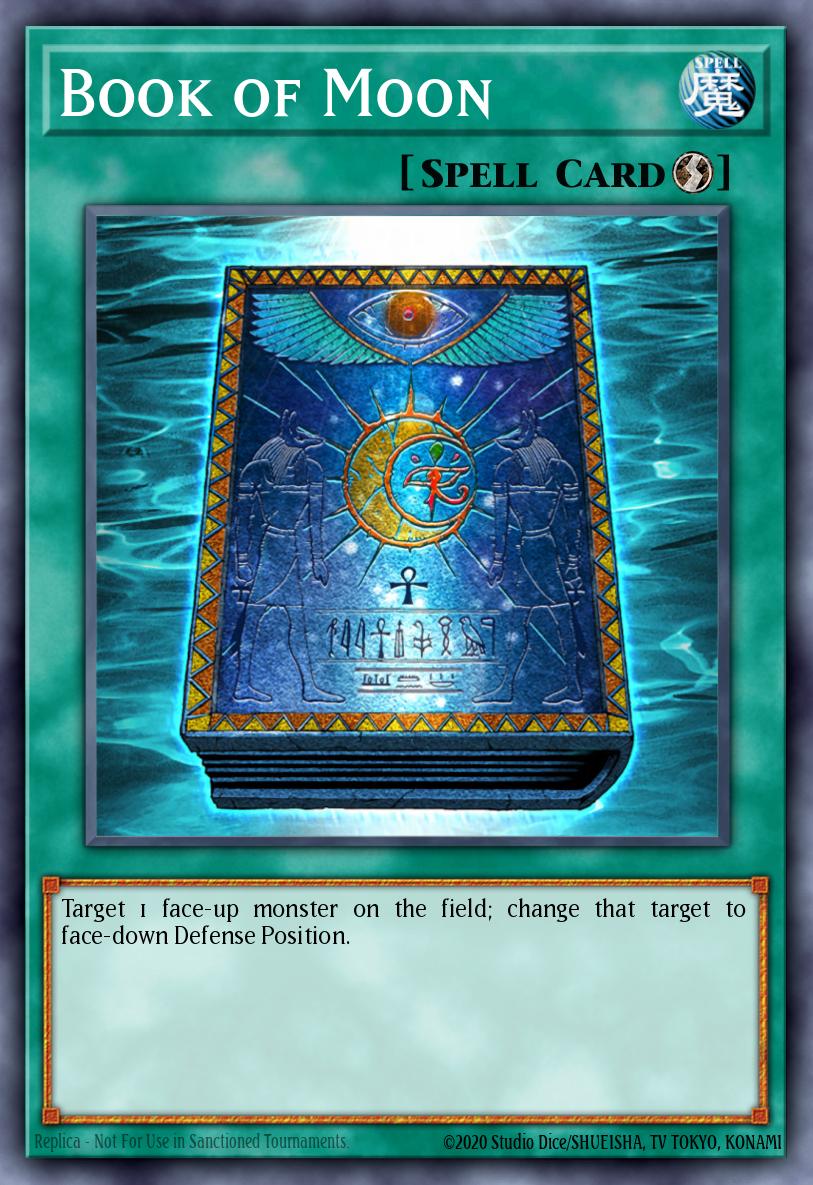
If it does not, the turn player has the first chance to activate a fast effect. Only if the turn player passes does the opponent get a chance, for example to activate Book of Moon on the monster that was just Summoned. If the turn player activates something first, the opponent responds to that instead, as part of a chain.
If the Summon triggers an effect, such as a "When this card is Summoned" effect, the trigger starts a chain and the normal chain rules apply. When several effects trigger at once, they are ordered as described in SEGOC.
A few cards are written to act on a Summon before it happens, at the moment a monster "would be Summoned". Solemn Judgment is one. Konami's chart does not cover that moment; the card's own activation condition is what allows it.
Moving to the next phase
Konami's rule is that you move on only when the game state is open, the turn player chooses to do nothing more, the opponent declines to activate a fast effect, and both players agree to move on. So the opponent always gets a chance to act before a phase or step ends.
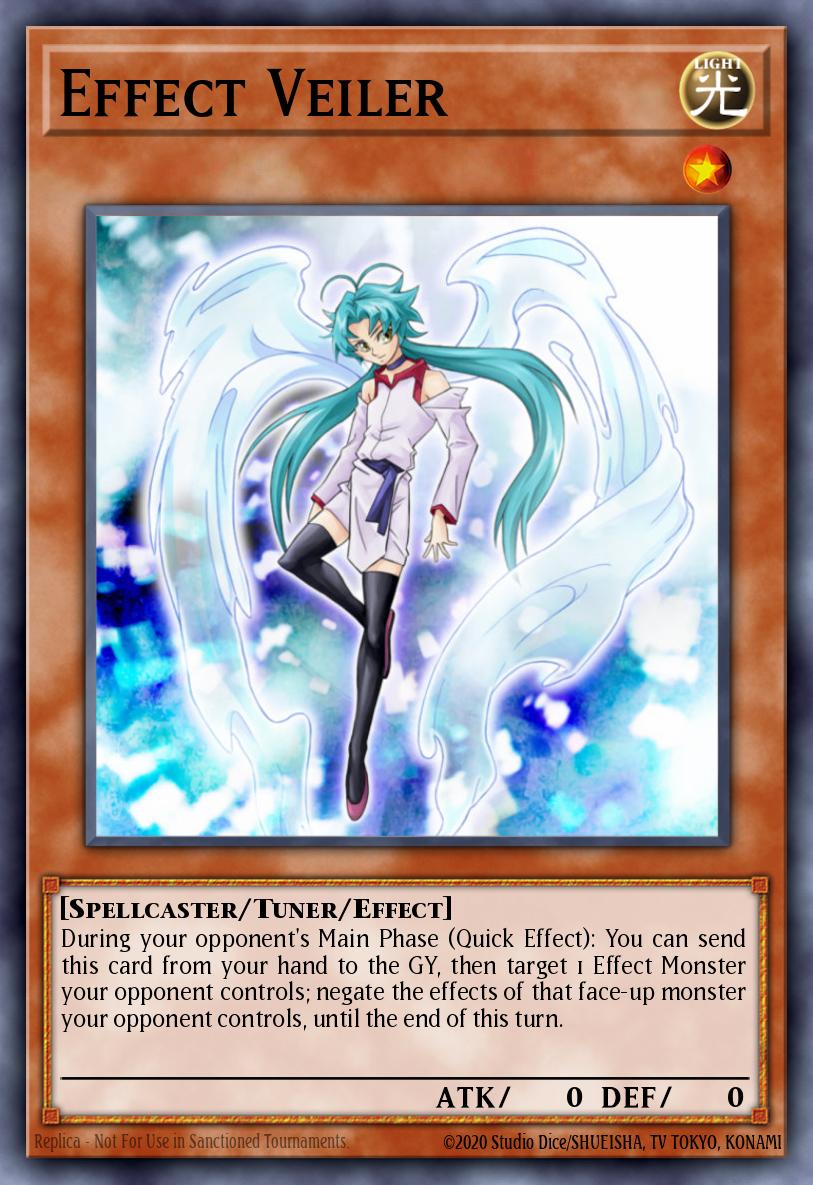
Konami's rulebook makes this practical: "for ease of play, announcing the end of your phases or steps implies giving up Priority" (page 48). When you say "I go to my Battle Phase", your opponent can answer "before the end of your Main Phase, I activate this card." Effect Veiler is usable only during your opponent's Main Phase, so that moment is often when it is used. The page on turn phases covers what each phase allows.
Worked example
A Normal Summon with no trigger
It is your Main Phase 1 and the game state is open. You Normal Summon a monster whose effects do not trigger on its Summon.
Nothing triggered, so you have the first chance to activate a fast effect. You could activate a Quick-Play Spell now, before your opponent can act. You pass instead.
Your opponent now has the chance. They activate Book of Moon targeting your new monster. That starts a chain, and you may respond.
Neither player adds anything. Book of Moon resolves and your monster is turned face-down.
The chain has finished and nothing triggered, so you get the first chance again. When you pass and your opponent passes back, the game state is open and you can continue your turn.
Common timing mistakes
Responding directly to a Normal Summon. A Summon is not an activation; the opponent's chance comes only after the turn player passes or after any triggered chain.
Moving to the next phase without giving the opponent a chance. They always get one before the turn proceeds.
Normal Summoning or Setting a card during a chain. Those actions need an open game state.
Forgetting that the turn player goes first after a chain resolves. You can act again before your opponent gets another chance.
Frequently Asked Questions
What is a fast effect in Yu-Gi-Oh!?
Konami defines fast effects as card activations and effects with a Spell Speed of 2 or higher: monster Quick Effects, Quick-Play Spells and Trap Cards, including the effects of face-up Continuous Traps. Either player can use them, including on the opponent's turn, when their conditions are met.
What is an open game state in Yu-Gi-Oh!?
It is the moment when nothing is going on and the turn player has complete freedom of action. Each phase and step begins in an open game state. It returns when the turn player passes, the opponent passes back, and no chain is being built.
After I Normal Summon, who can activate a card first?
If the Summon does not trigger any effect, you, the turn player, get the first chance to activate a fast effect. If you pass, your opponent gets the chance. If the Summon triggers an effect, that effect starts a chain, and the chain rules decide who responds.
Can my opponent respond when I move to my Battle Phase?
Yes. Before the turn moves on, the opponent gets an opportunity to activate a fast effect. Konami's rulebook notes that announcing the end of a phase implies passing priority, so your opponent can say "before the end of your phase, I activate this card."
Can I Normal Summon in the middle of a chain?
No. Konami lists Normal Summoning, Setting a card, Special Summons that do not start a chain, changing battle positions, declaring attacks, Ignition Effects and Spell Speed 1 Spells as actions that can only be taken when the game state is open.
Build and check your Yu-Gi-Oh! deck in TurnZero HQ.
Put your Quick-Play Spells, Traps and hand traps in a deck, deal sample hands, and check the list against the Forbidden & Limited List. Free on iPhone, Android and the web.
Create Free AccountYu-Gi-Oh! card names and images are the property of Konami Digital Entertainment and their respective owners. ©Studio Dice/SHUEISHA, TV TOKYO, KONAMI. TurnZero HQ is not affiliated with, sponsored, or endorsed by Konami. Card data comes from YGOPRODeck, and prices from TCGplayer via TCGCSV.