Yu-Gi-Oh! TCG
Yu-Gi-Oh! Full Art Cards
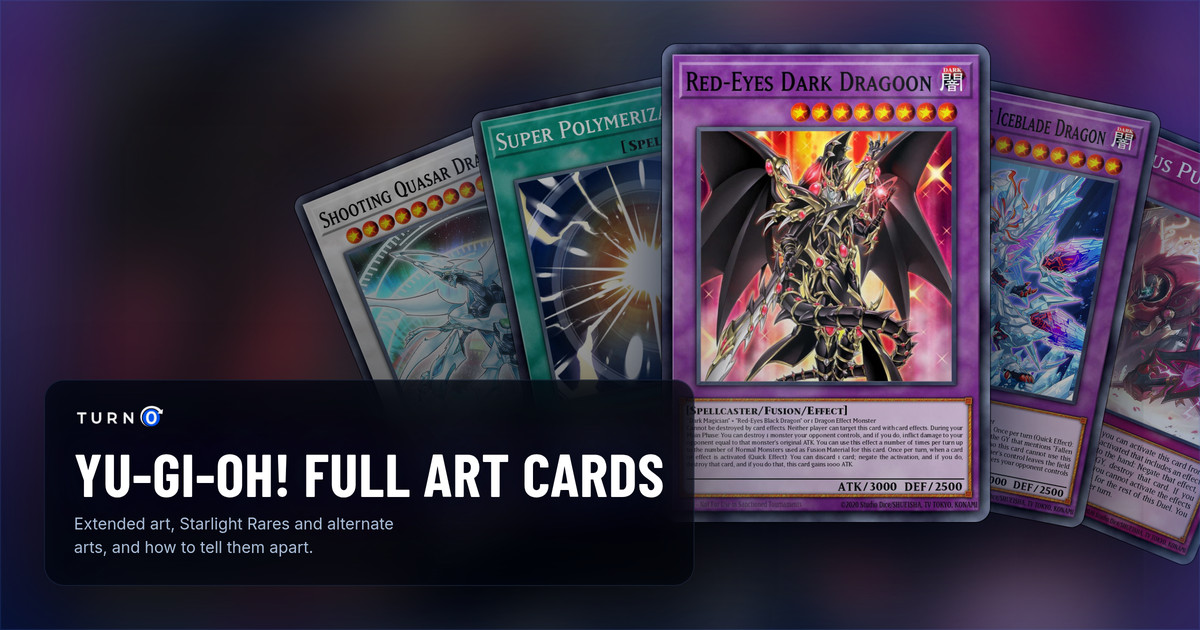
The Yu-Gi-Oh! TCG has no standing full art rarity the way Pokémon does. What it has is a handful of extended art cards, foil treatments that cover most of the card, and alternate artworks. Here's what each one is, and how to tell which version you're holding.
The short answer
There's no "full art" rarity in the Yu-Gi-Oh! TCG. Every regular card keeps its frame, name bar and text box, and rarity changes the foil, not the layout. When people search for Yu-Gi-Oh! full art cards they usually mean one of the things below.
Extended art: the TCG's first full art cards
The closest thing to a true full art card in the TCG arrived in Rarity Collection 5, released in April 2026. Konami brought back ten popular cards with extended art "going top-to-bottom and side-to-side on the card", the first time the TCG had printed cards that way. They were mixed into the pack's variant art slot alongside 58 other variant art cards.
The extended art cards sit at set codes RA05-EN141 to RA05-EN150, and each one comes at both Ultra Rare and Starlight Rare. The catalog's TCGplayer market prices for the 1st Edition copies, as of October 2, 2026, show how much the foil matters even when the art is the same:
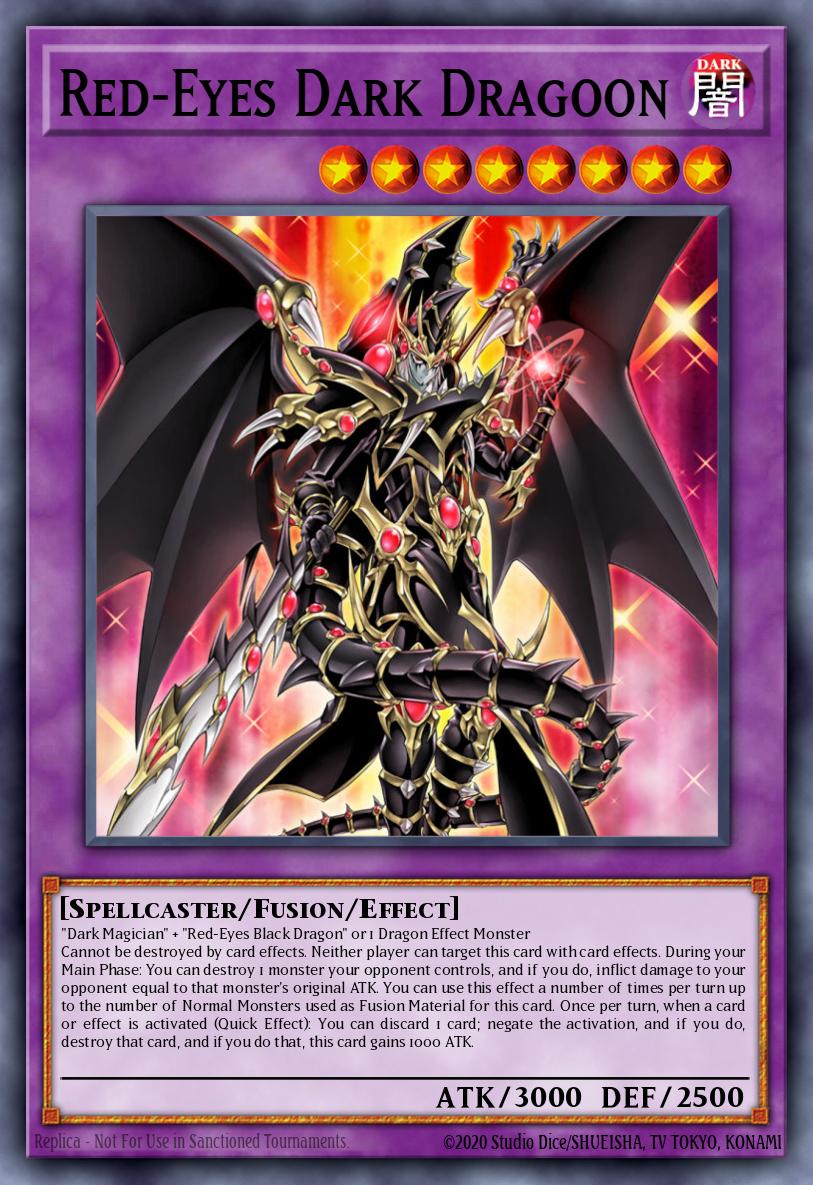
Red-Eyes Dark Dragoon
BROL-EN094
RA05-EN141. About $86 at Ultra Rare and about $544 at Starlight Rare, 1st Edition.
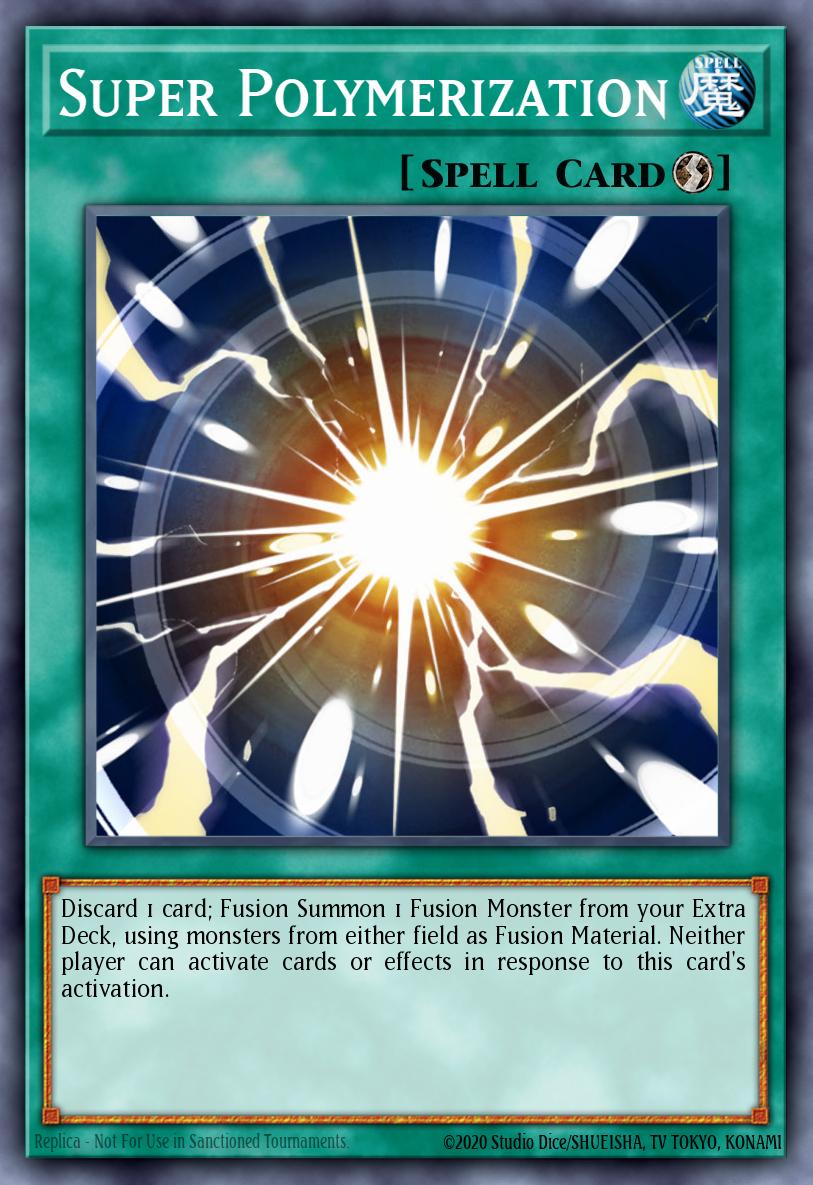
Super Polymerization
BLCR-EN100
RA05-EN149. About $40 at Ultra Rare and about $248 at Starlight Rare, 1st Edition.
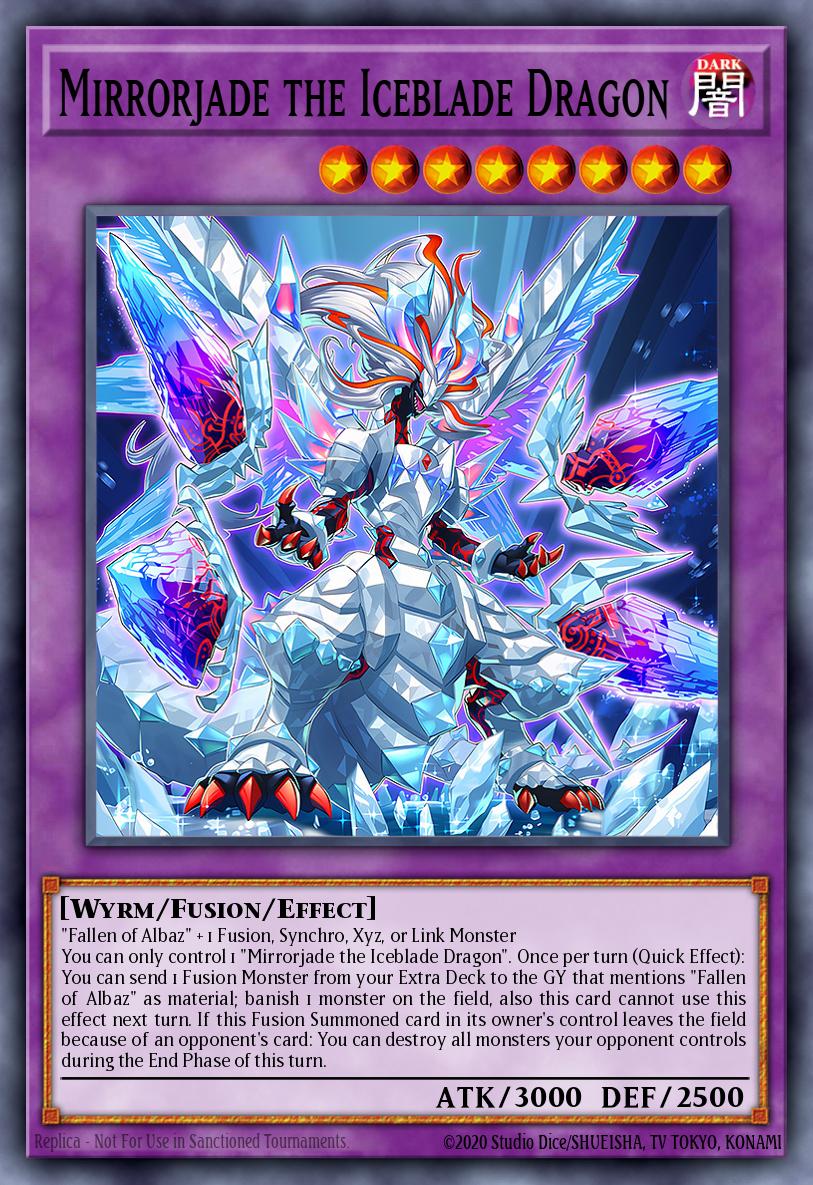
Mirrorjade the Iceblade Dragon
BLTR-EN114
RA05-EN148. About $51 at Ultra Rare and about $530 at Starlight Rare, 1st Edition.
The card pictures above are each card's standard artwork, not the extended art printing. Each card page lists every printing, including the RA05 extended art code, with its own price. The full set, including its other variant arts, is covered in the Rarity Collection 5 set guide →
Foils that cover the card
Before extended art, the cards that looked most like full art were the ones whose foil runs across nearly the whole face. The art and frame are the normal layout; the difference is how much of the card is foil.
Ghost Rares are scarce and often expensive. As of October 2, 2026, the catalog had Stardust Dragon's 1st Edition Ghost Rare (TDGS-EN040) at about $1,213 on TCGplayer, and Dark Magician's 1st Edition Ghost Rare from Ghosts From the Past (GFTP-EN128) at about $624. Those are two of the most wanted Ghost Rares, not typical ones.
For how these rarities rank against the rest, see the rare Yu-Gi-Oh! cards guide →
Alternate art: a different picture, the same card
An alternate art card is a printing of a card with a different illustration. It has the same name and the same text, so it plays exactly the same and counts as the same card for deck building. It isn't a full art card: the frame and text box are the regular layout, and only the picture changes.
Classic monsters have the most artworks. Blue-Eyes White Dragon and Dark Magician have each been printed with several different illustrations across reprints, tins and collector sets. Collector sets such as the Rarity Collection line mix variant art cards in deliberately, which is where many modern alternate arts come from.
An alternate art doesn't carry a price premium by default. What a copy is worth depends on its printing, rarity and edition, and on how many collectors want that particular picture. Compare the exact set code and rarity before you assume one art is worth more than another.
Overframe cards in the Japanese OCG
The Japanese game, the OCG, introduced its own full art style in 2026, called Overframe. On an Overframe card the illustration appears to break out of the card's border. The first ones came in two Japanese products, LIMIT OVER COLLECTION -THE HEROES- (February 28, 2026) and LIMIT OVER COLLECTION -THE RIVALS- (March 20, 2026), at Ultra Rare and Prismatic Secret Rare.
These are Japanese OCG cards, a separate product line from the English TCG. They aren't English TCG printings and aren't used in TCG-sanctioned tournaments, and TurnZero HQ's catalog lists TCG printings, so an Overframe card won't have a set code or a price there. If you buy one, buy it as an OCG collectible.
How to tell which version you have
Start with the set code, the short code printed under the artwork on the right, such as RA05-EN141. The card's name and passcode tell you which card it is; the set code tells you which printing. A Starlight Rare and an Ultra Rare of the same card can share one set code, so the code alone isn't always enough.
Then read the rarity from the foil, because Yu-Gi-Oh! cards generally don't print a rarity symbol. A Starlight Rare has rainbow foil across the frame and border; a Quarter Century Secret Rare has the champagne-gold name and the 25th logo in its text box. The difference is worth checking: as of October 2, 2026, the catalog had Blue-Eyes White Dragon's RA03-EN079 from Quarter Century Bonanza at about $199 as a 1st Edition Quarter Century Secret Rare and about $7 as a 1st Edition Platinum Secret Rare, under the same set code.
Last, check the edition mark under the art. 1st Edition, Unlimited and Limited Edition copies of one printing are priced separately. Where each detail is printed on a card →
In TurnZero HQ, a Yu-Gi-Oh! copy is recorded by its printing (set code and rarity) and its edition, and it's priced from TCGplayer's market price for that combination, updated daily. The scanner identifies a card by its set code and asks you to pick the rarity when that code was printed at more than one, which is exactly the Ultra Rare or Starlight Rare question above. How the Yu-Gi-Oh! card scanner works →
Frequently Asked Questions
Does Yu-Gi-Oh! have full art cards?
Not as a regular rarity. The TCG's first cards with art running edge to edge were the ten extended art cards in Rarity Collection 5, released in April 2026. Before that, the closest things were foil treatments such as Starlight Rare and Quarter Century Secret Rare, which cover most of the card in foil but keep the normal frame and text box.
Which Yu-Gi-Oh! cards have extended art?
In the TCG, the ten extended art cards in Rarity Collection 5, at set codes RA05-EN141 to RA05-EN150. In set code order: Red-Eyes Dark Dragoon, Wake Up Your Elemental HERO, Shooting Quasar Dragon, Number 99: Utopia Dragonar, Odd-Eyes Arcray Dragon, Firewall Dragon Singularity, Kurikara Divincarnate, Mirrorjade the Iceblade Dragon, Super Polymerization and Dominus Purge. Each comes at Ultra Rare and Starlight Rare.
What is an Overframe card?
Overframe is the name used for the Japanese OCG's first full art style cards, where the illustration breaks out of the card's border. They first appeared in LIMIT OVER COLLECTION -THE HEROES- and -THE RIVALS- in early 2026, at Ultra Rare and Prismatic Secret Rare. Those are Japanese cards, separate from English TCG printings.
Is an alternate art card worth more?
Sometimes, but not because it's an alternate art. An alternate art is the same card with a different illustration, and its price depends on its printing, rarity, edition and how many collectors want that art. Compare the exact set code and rarity rather than assuming a premium.
Are extended art and alternate art cards legal in tournaments?
Yes. They're official Konami TCG printings with the same name and text as the regular card, so they play the same. Japanese OCG cards, including Overframe printings, are a separate product line and aren't used in TCG-sanctioned events.
Know which printing you own.
Add your Yu-Gi-Oh! cards by set code, rarity and edition, and TurnZero HQ values each copy from daily TCGplayer prices. Free to start.
Create Free AccountYu-Gi-Oh! card names and images are the property of Konami Digital Entertainment and their respective owners. ©Studio Dice/SHUEISHA, TV TOKYO, KONAMI. TurnZero HQ is not affiliated with, sponsored, or endorsed by Konami. Card data comes from YGOPRODeck, and prices from TCGplayer via TCGCSV.