Disney Lorcana Beginner Series
Lorcana Ink Colors Explained
Disney Lorcana has six inks, its version of colors: Amber, Amethyst, Emerald, Ruby, Sapphire and Steel. A deck uses up to two of them. This page covers what each ink is like, how dual-ink cards work and how to choose a pair, as of October 2026.
The six Lorcana inks
Each card's ink is the colored symbol under its cost, and the card frame is tinted to match. Players often call the inks by color, so a "purple steel" deck is Amethyst and Steel and a "blue green" deck is Emerald and Sapphire.
The one-word descriptions are from Ravensburger's own ink pages, which describe the characters' personalities rather than how each ink plays. The keyword column is TurnZero HQ's count of the keywords printed most on each ink's cards in the sets legal in Core Constructed, leaving out Shift, which every ink has plenty of. It describes tendencies, not rules: every ink has some of almost every keyword.
Each ink in detail
Ravensburger says no ink is good or evil: heroes and villains appear in all six. What follows is each ink's official character and what its cards tend to do in the current Core sets.
Amber
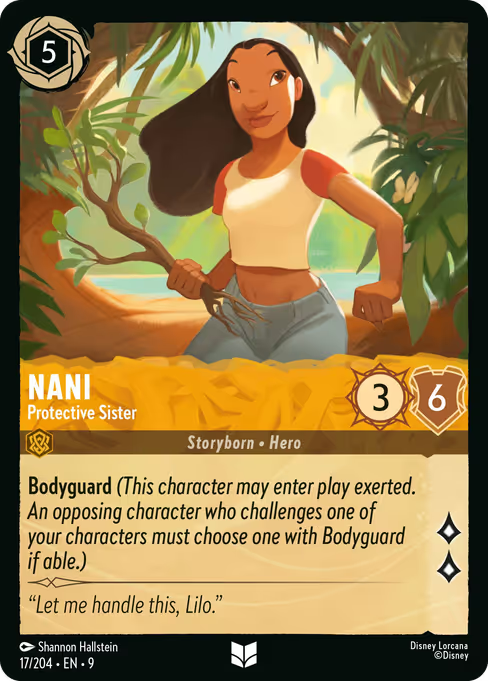
Ravensburger calls Amber glimmers purposeful: patient leaders, healers and loyal followers. On the table, Amber has more Singer and Support characters than most inks, and a lot of Bodyguard, so it tends to sing songs cheaply and protect its questers.
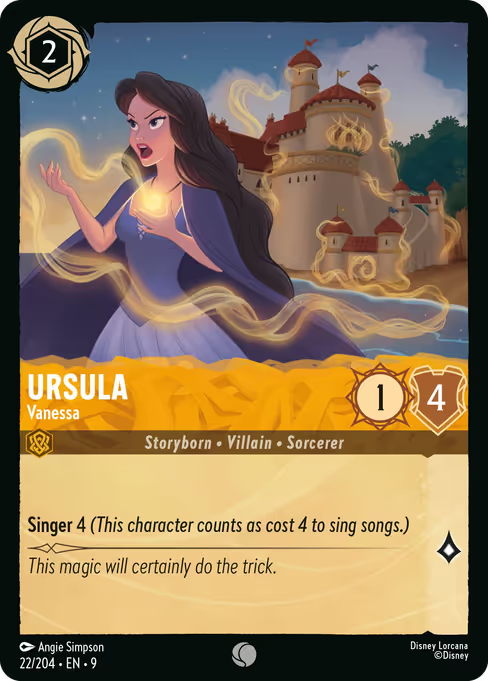
Amethyst
Amethyst is the wondrous ink of sorcerers, sages and animated objects, glimmers who rely on special powers. Its characters carry a lot of Evasive, Rush and Challenger, which suits a deck that quests with characters that are hard to challenge and removes the ones that aren't.
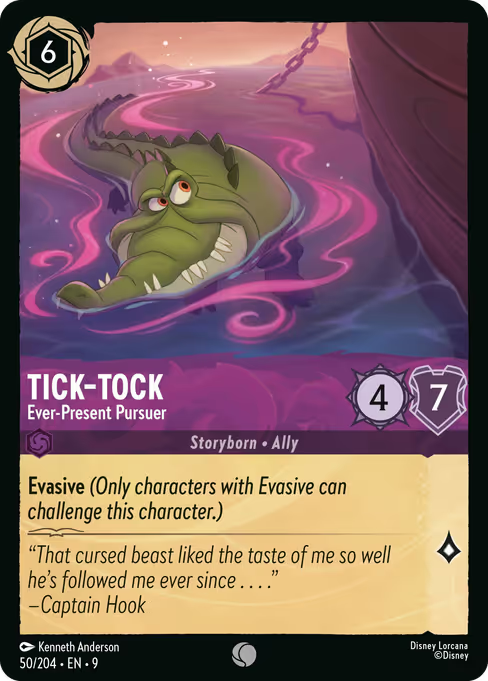
Tick-Tock - Ever-Present Pursuer
Fabled #50
Evasive.
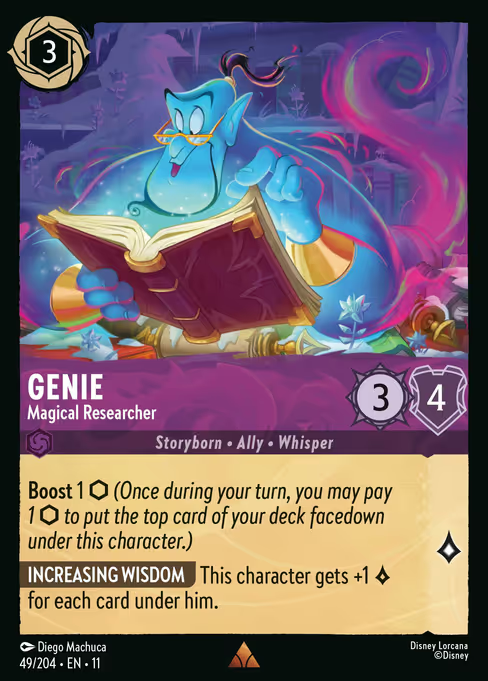
Genie - Magical Researcher
Winterspell #49
Boost, with +1 lore per card under him.
Emerald
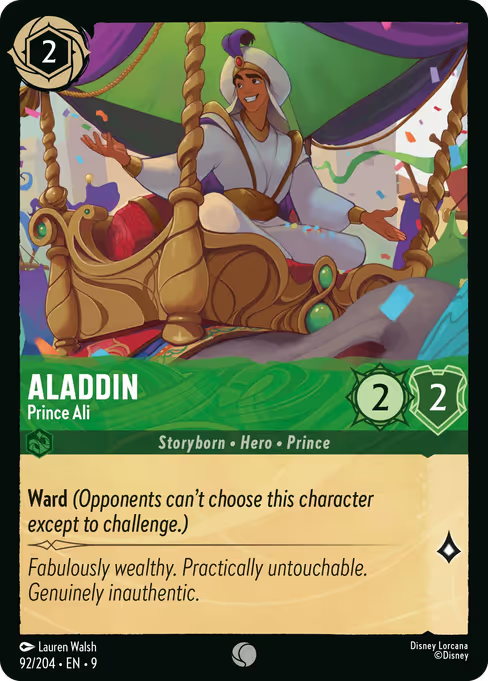
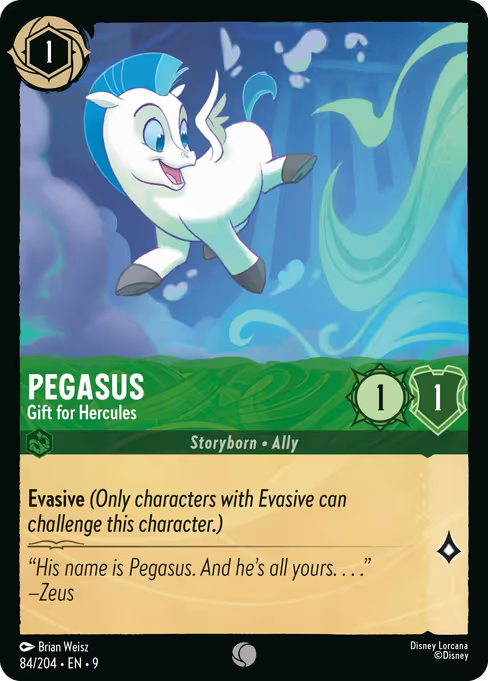
Ravensburger calls Emerald glimmers flexible: quick-thinking characters who adapt and are never caught off guard. Emerald has the most Evasive characters in Core and a lot of Ward, so its characters are hard to challenge or target.
Ruby
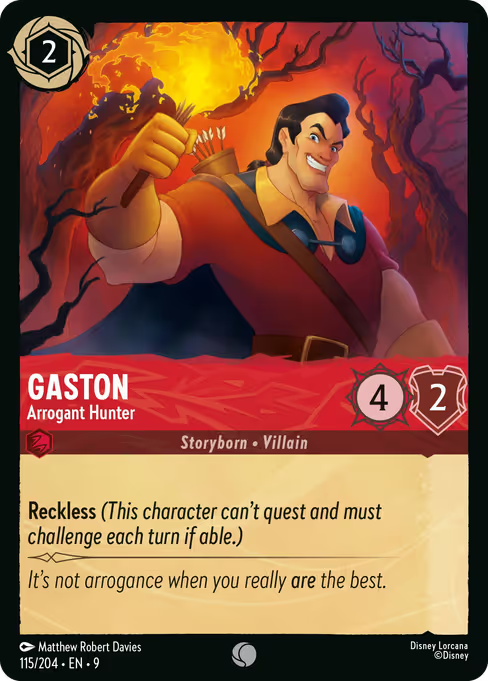
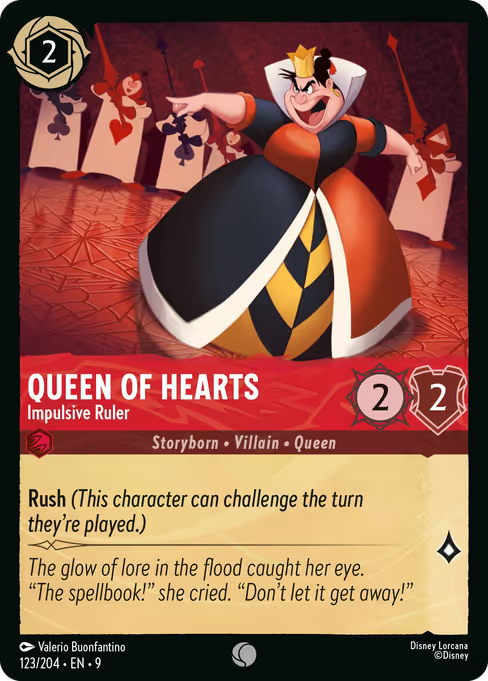
Ruby glimmers are daring: warriors, explorers and daredevils who use speed and bravery. Ruby has the most Reckless characters and plenty of Rush, so it challenges early and often, and it uses Boost more than any other ink in the current sets.
Sapphire
Sapphire is the intellectual ink of planners, inventors and artists. It has more items than any other ink in the Core sets, plus Support, Ward and Boost characters, so many of its cards help you quest or build up resources rather than fight.
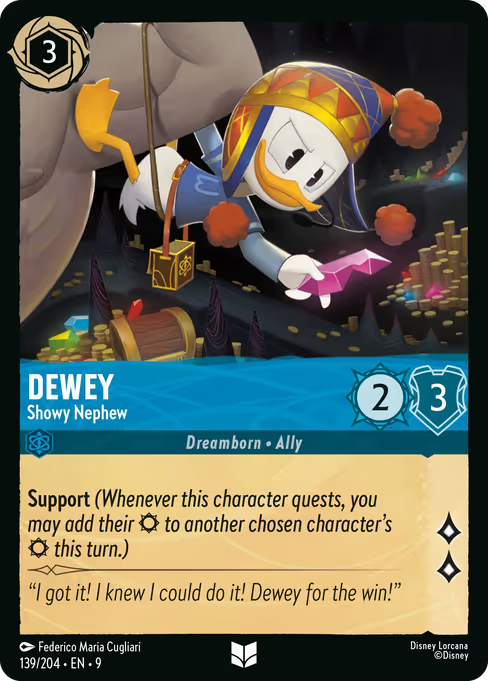
Dewey - Showy Nephew
Fabled #139
Support.
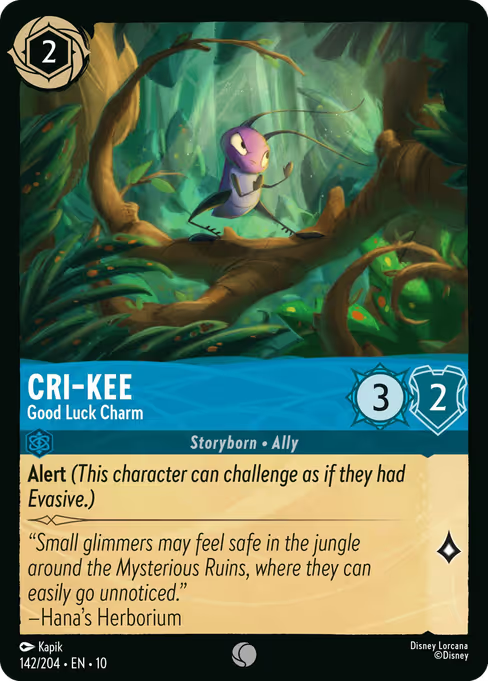
Cri-Kee - Good Luck Charm
Whispers in the Well #142
Alert.
Steel
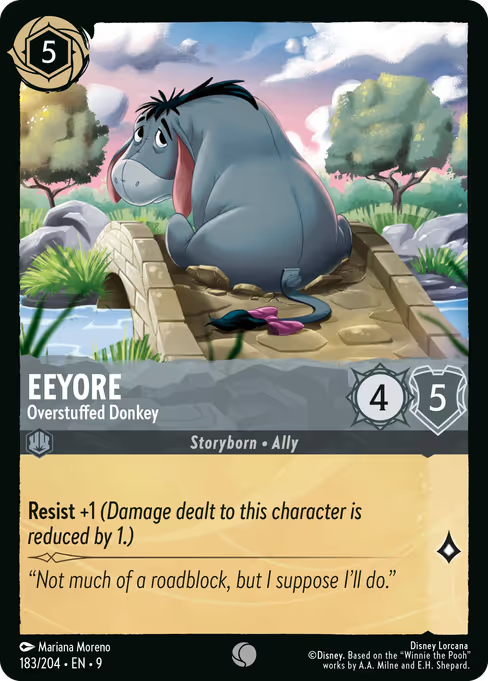
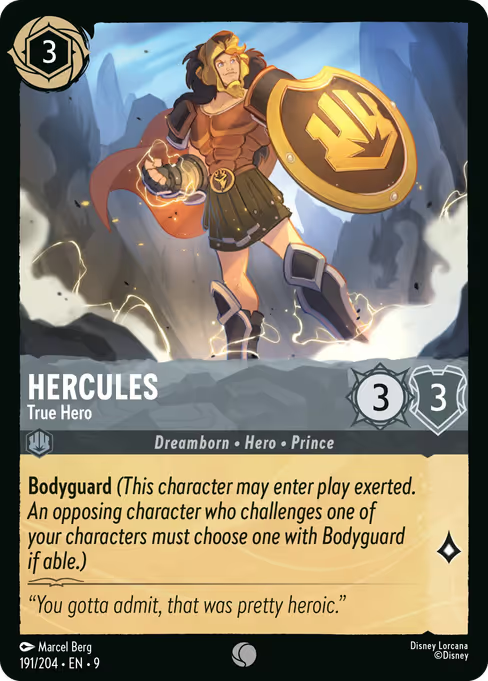
Steel glimmers are strong: large, armored or simply powerful characters who use brute force. Steel has the most Resist in Core, along with Bodyguard and Challenger, so its characters win challenges and survive them.
Ink rules for decks
A constructed deck, in Core Constructed or Infinity, has at least 60 cards from no more than two inks, with up to 4 copies of each full name. Format Coconut, Ravensburger's multiplayer format in open beta, allows up to three inks, one of which must match its Coconut card. Sealed and draft games have no ink limit.
Ink color never affects paying for cards. A card in your inkwell is facedown and gives 1 ink, whatever ink it is, and any ink pays for any card. So inking an Amber card can pay for a Steel character, and you never get stuck with a card you can't afford because of its color. The guide to Lorcana turns covers inking itself.
Dual-ink cards
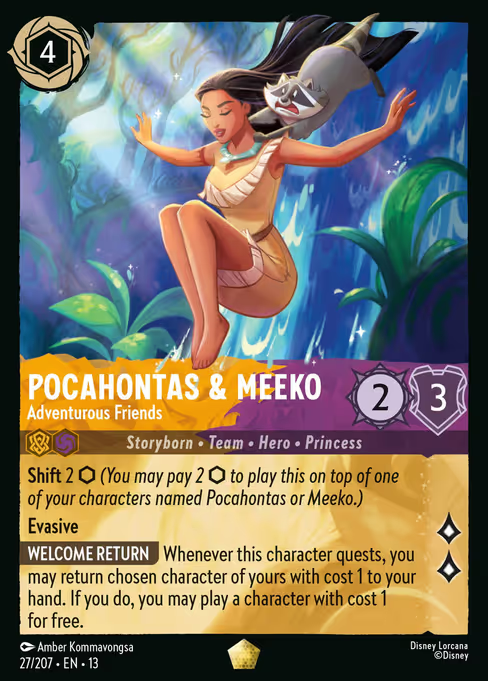
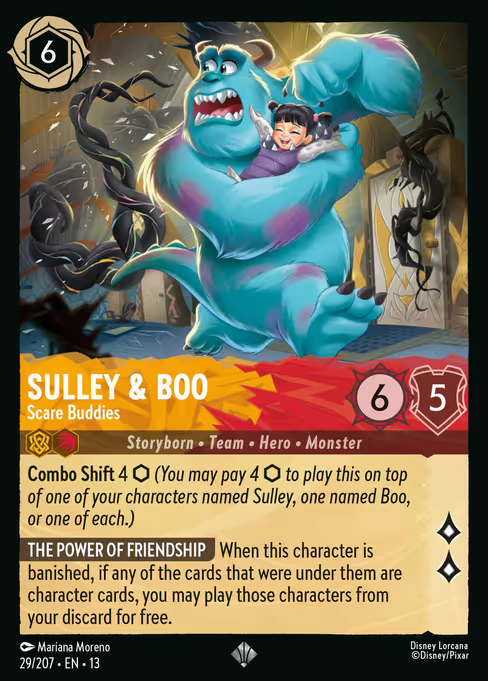
A dual-ink card has two ink symbols and counts as both inks. It can only go in a deck that uses exactly those two inks: an Amber and Ruby card fits an Amber and Ruby deck, but not an Amber and Steel one, because the deck would then contain three inks.
Dual-ink cards first appeared in Archazia's Island (set 7) and returned in Reign of Jafar (set 8) and Attack of the Vine! (set 13). Sets 7 and 8 have rotated out of Core Constructed, so as of October 2026 the Core-legal dual-ink cards are the 16 in Attack of the Vine!.
All 15 ink pairs
Six inks make 15 two-ink pairs. Ravensburger's starter decks are a fair guide to which pairs it designs to work together: 12 of the 15 have had at least one, counting all 23 starter decks released before Hyperia City (October 2026). The starter deck directory lists each one.
Choosing your inks
For a first deck, start with the characters you want to play, then pick a second ink that covers what the first lacks. A pair where one ink quests well and the other challenges or protects well is easier to play than two inks that do the same thing. Which pairs are strongest changes with every set and differs between Core and Infinity, so treat any tier list as a snapshot.
A starter deck is the simplest way to try a pair, because it arrives as a legal two-ink deck you can upgrade. When you are ready to build your own, the Lorcana deck-building guide walks through it, and the keywords guide explains the abilities each ink leans on.
Frequently Asked Questions
What are the six Lorcana ink colors?
Amber (yellow), Amethyst (purple), Emerald (green), Ruby (red), Sapphire (blue) and Steel (gray). Every card belongs to one ink, or to two on a dual-ink card, shown by the colored symbol under its cost.
How many inks can a Lorcana deck have?
Up to two in Core Constructed and Infinity. A deck can be a single ink, but almost every deck uses two. Format Coconut, the multiplayer format in open beta, allows up to three, one of which must match the deck's Coconut card.
Does ink color matter in the inkwell?
No. A card in your inkwell gives 1 ink no matter which ink it is, and any ink pays for any card. Ink color only limits which cards you can put in a deck, not which ink pays for what.
How do dual-ink cards work in Lorcana?
A dual-ink card counts as both of its inks, so it can only go in a deck built from exactly those two inks. An Emerald and Ruby deck can't play an Emerald and Steel card. Dual-ink cards first appeared in Archazia's Island (set 7); as of October 2026, the only Core-legal ones are from Attack of the Vine! (set 13).
What is the best ink combination in Lorcana?
It changes with every set and with the format, so no pair is best for long. For a first deck, pick the two inks whose characters you like and whose strengths cover each other, or start from a starter deck, which is always a two-ink pair.
Are Lorcana inks the same as Magic colors?
They play a similar role, since a deck's inks decide which cards it can use. The difference is that Lorcana ink is generic: any card in your inkwell pays for any card, so a two-ink deck never has a card it can't cast because of its color.
Build a two-ink Lorcana deck.
The Deck Lab checks your deck's inks, size and copies against Core Constructed or Infinity as you build. Free on iPhone, Android and the web.
Create Free AccountDisney Lorcana card names and images are the property of Disney and Ravensburger and their respective owners. ©Disney. TurnZero HQ is not affiliated with, sponsored, or endorsed by Disney or Ravensburger. Card data and prices come from Lorcast, which republishes TCGplayer market prices.