Disney Lorcana Beginner Series
Lorcana Keywords Explained
A keyword is a word in bold on a card that stands for a rule, with a short reminder of what it does in parentheses. Lorcana has 15 of them as of Hyperia City (October 2026). This page explains each one, with a card that has it, plus the game terms every new player runs into.
Every Lorcana keyword at a glance
Each keyword's reminder text is printed on the card, so you rarely need to memorize one. The table uses the wording most cards print. The Comprehensive Rules, version 2.3.0 (October 16, 2026), define each keyword in section 8, and the rule there wins when a card's reminder text is shorter.
Keywords for challenging
These change who can challenge and how hard they hit. The Lorcana challenge rules page shows the full sequence they plug into.
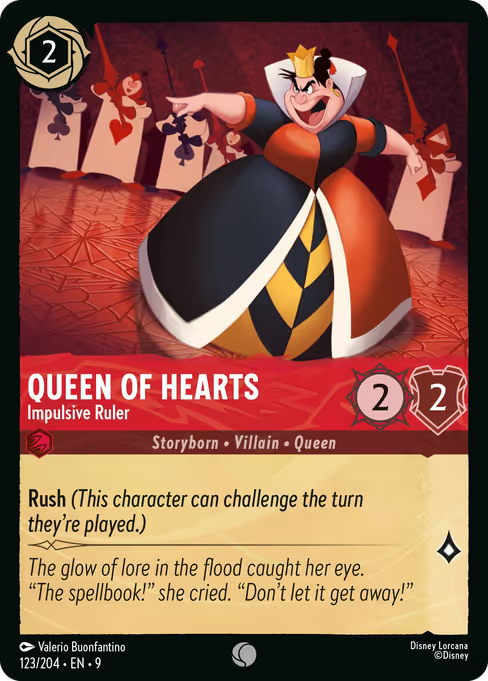
Rush
A character with Rush can challenge the turn it is played, as though it had been in play since the start of your turn. It is still drying for everything else, so it can't quest or exert to sing that turn.
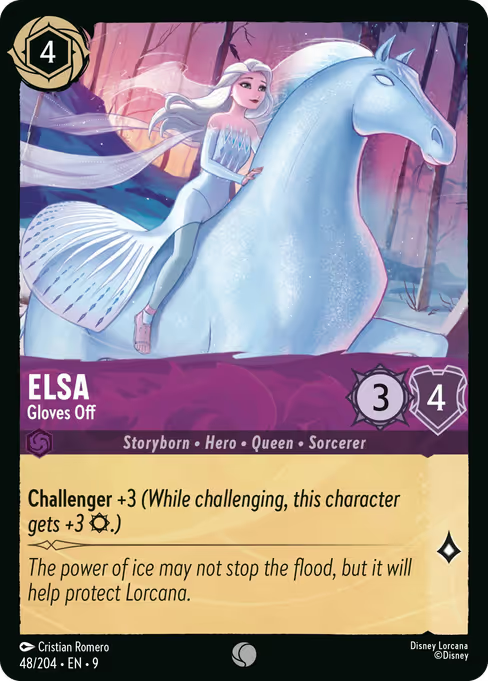
Challenger +N
The character gets +N Strength while it is challenging. The bonus doesn't apply when it is the one being challenged, which is why Iago - Stompin' Mad deals 5 damage when it attacks and 0 when it is attacked. Multiple Challenger bonuses add together.
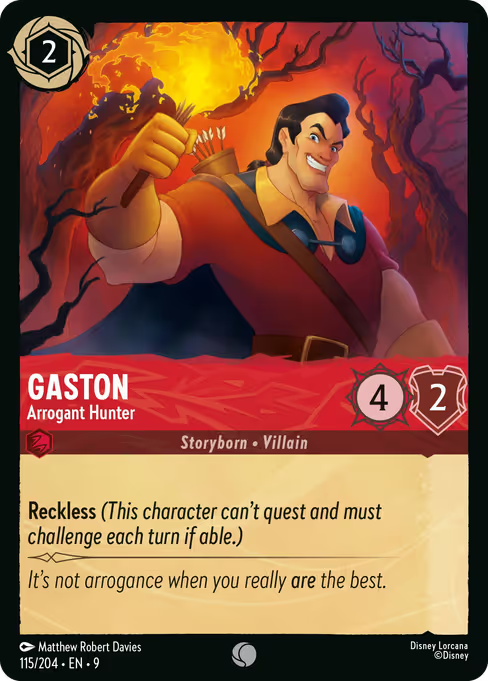
Reckless
A Reckless character can't quest, and you can't end your turn while it is ready and has something it can challenge. Reckless characters usually have high Strength and 0 lore for this reason. They can still exert to sing a song or use an ability.
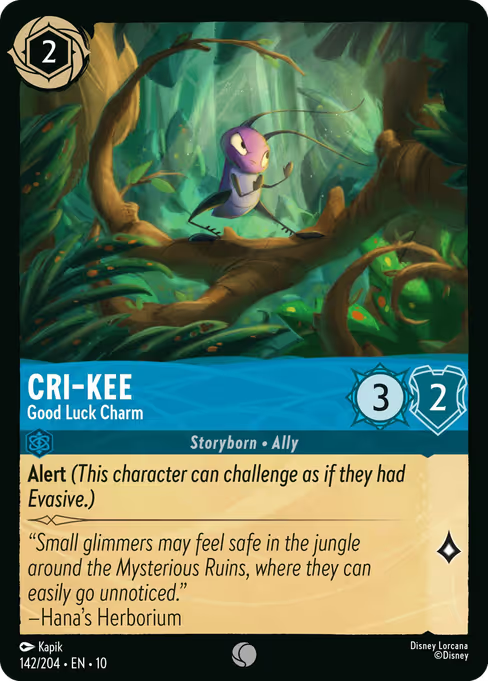
Alert
An Alert character ignores Evasive's limit, so it can challenge an Evasive character. It doesn't gain Evasive itself, so it can still be challenged by anyone.
Keywords for questing
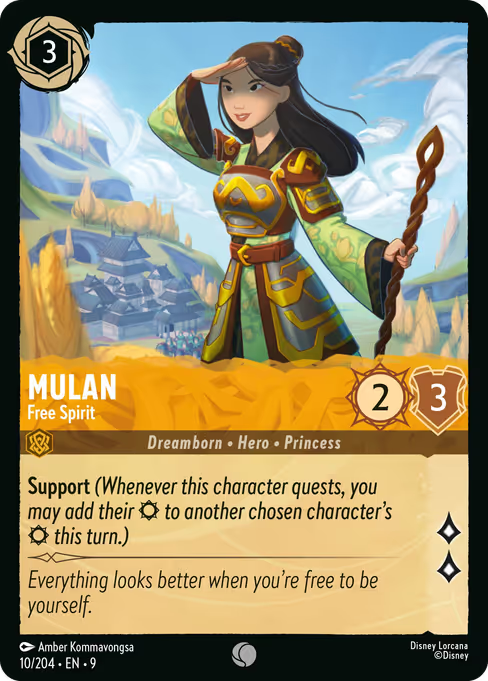
Support
Whenever a character with Support quests, you may add its Strength to another character you choose until the end of the turn. A common use is to quest with the Support character first, then challenge with the character you gave the Strength to.
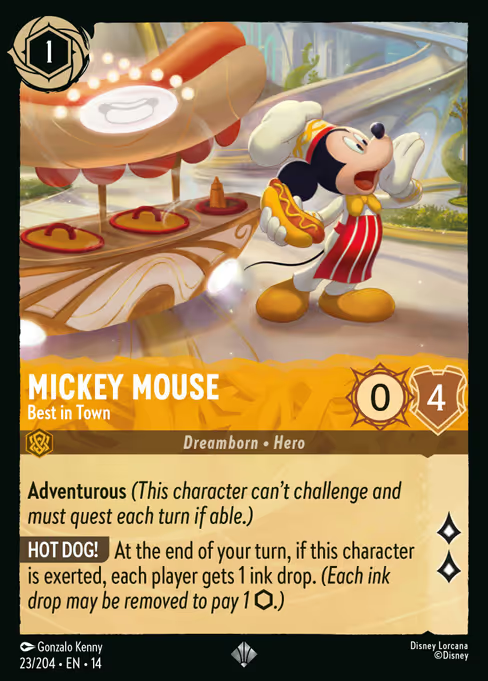
Adventurous
Adventurous is the newest keyword, added with Hyperia City. It is the opposite of Reckless: the character can't challenge, and you can't end your turn while it is ready and able to quest. Ravensburger also gave Adventurous to five older cards that had the same rule written out, including Ariel - Curious Traveler and Woody - Town Sheriff.
Keywords that protect a character
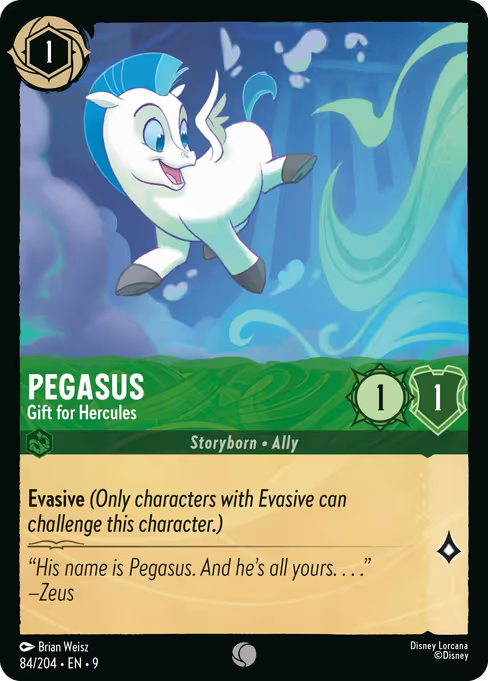
Evasive
Only a character with Evasive can challenge an Evasive character, and Alert characters ignore that limit. Evasive mostly protects your questers: an Evasive character can quest every turn with less risk, unless your opponent has Evasive or Alert characters of their own.
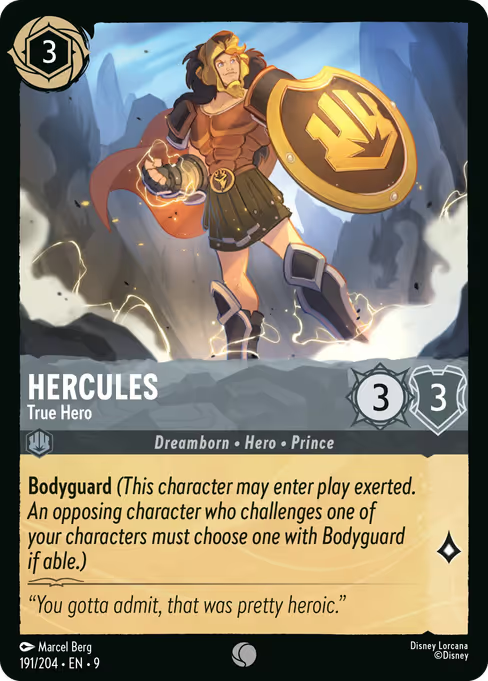
Bodyguard
When an opponent challenges one of your characters, they must choose a character with Bodyguard if they can. Because only exerted characters can be challenged, a ready Bodyguard protects nothing, which is why Bodyguard also lets the character enter play exerted. Evasive still applies: a challenger without Evasive or Alert can't pick an Evasive Bodyguard, so it isn't forced to.
Resist +N
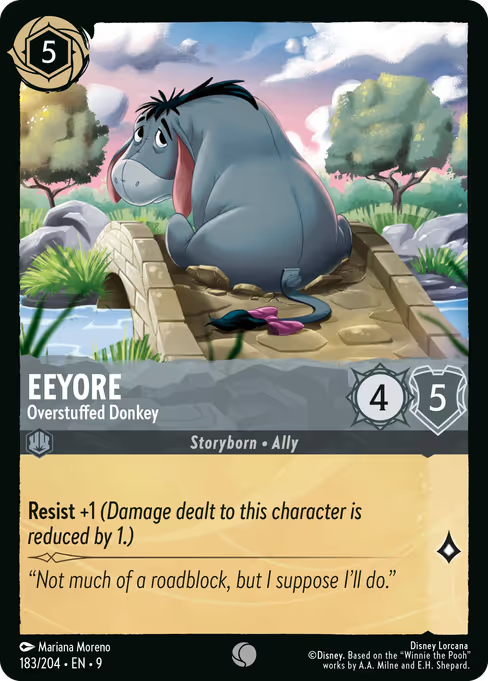
Damage dealt to the character is reduced by N, both in challenges and from effects that deal damage. Effects that "put" or "move" damage counters aren't dealing damage, so Resist doesn't reduce them. Resist on a location works the same way.
Ward
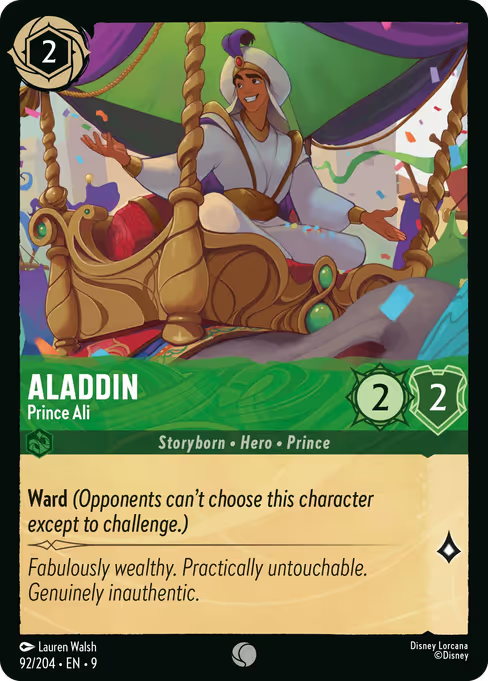
Your opponents can't choose a character with Ward when they resolve an effect, so "banish chosen character" and similar cards can't target it. Ward doesn't stop challenges, since choosing a challenge target isn't an effect, and it doesn't stop effects that don't choose, such as one that deals damage to each opposing character. You can still choose your own Ward characters.
Vanish
When an opponent chooses a character with Vanish for an action's effect, it is banished after that action resolves. It is a drawback rather than protection: it makes the character easy to remove. Vanish only appeared in Archazia's Island (set 7) and Reign of Jafar (set 8), so as of October 2026 no Vanish card is legal in Core Constructed. Rajah - Ghostly Tiger is an example for Infinity.
Singer and Sing Together
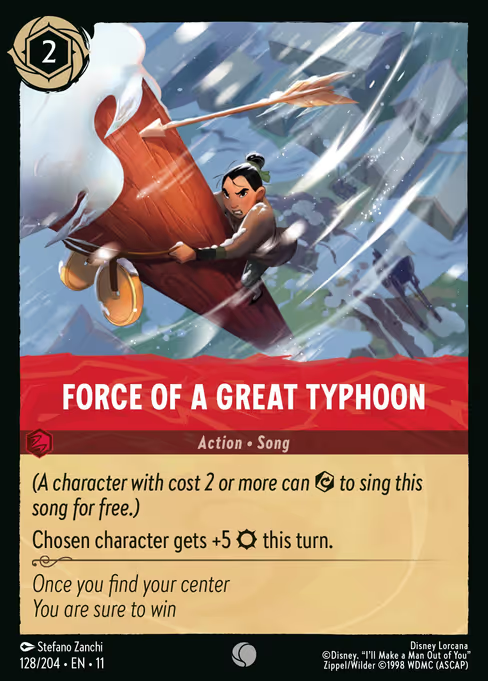
Songs are actions with a second way to pay: instead of spending ink, you can exert a dry character whose cost is at least the song's cost, which is called singing it. A drying character can't sing, because singing exerts it.
Singer N
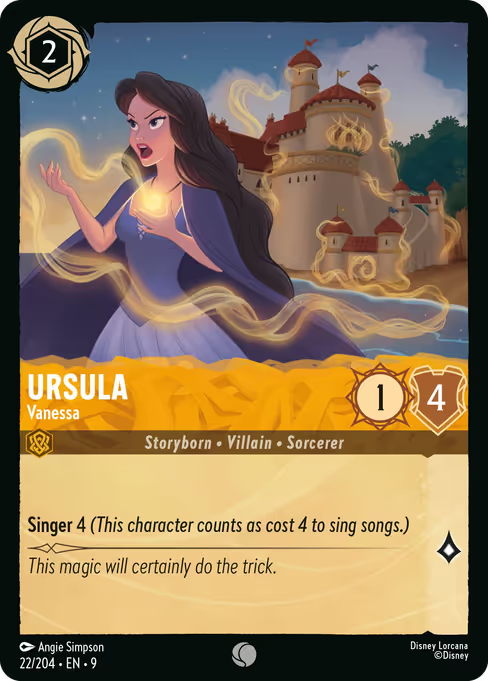
A character with Singer counts as cost N when it sings, so a cheap character can sing an expensive song. Ursula - Vanessa costs 2 but has Singer 4, so she can sing any song that costs 4 or less. Singer only changes what she can sing; her ink cost is still 2 for everything else.
Sing Together N
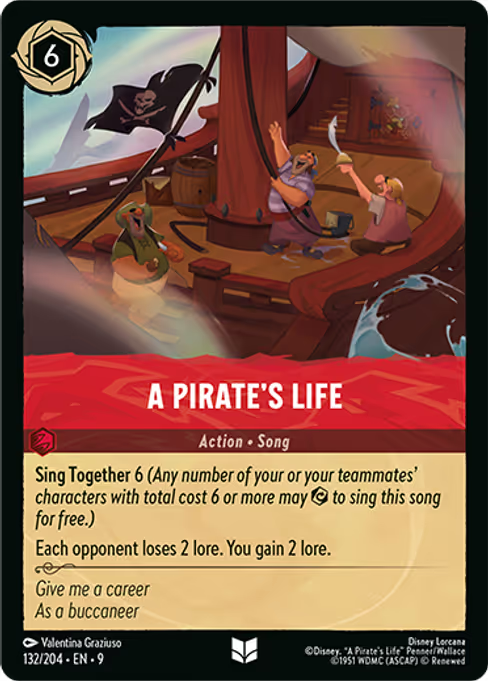
A song with Sing Together N can be sung by several characters at once: exert any number of your characters whose costs add up to N or more, and the song is free. In a team game, teammates' characters can join in.
Shift
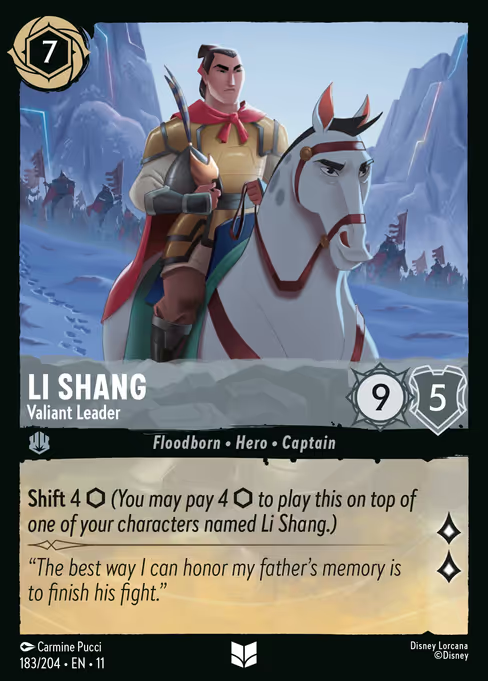
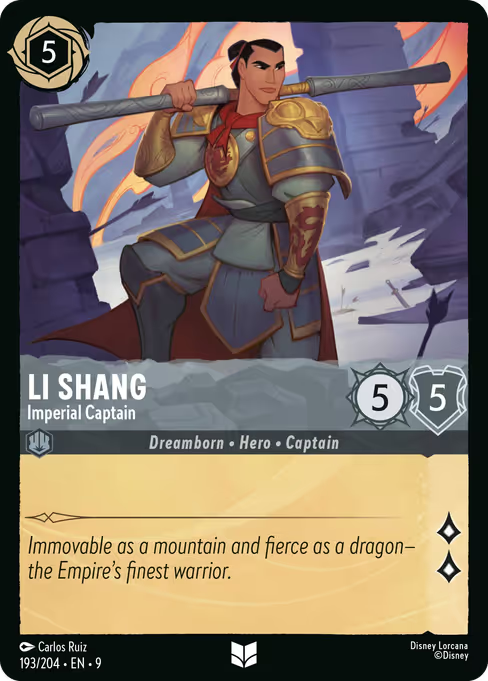
Shift is an alternate cost. If you have a character in play with the same name, you can pay the Shift cost, usually less than the card's ink cost, to put the new card on top of it. The new card takes over the old one's place: it keeps any damage, it is ready or exerted the way the card underneath was, and if that card was dry, the shifted character can quest or challenge immediately. The cards underneath stay with it and leave play together.
Li Shang - Valiant Leader costs 7, but has Shift 4, so you can play it for 4 on top of any Li Shang you already have, such as Li Shang - Imperial Captain. Most Floodborn characters have Shift, though it appears on Storyborn and Dreamborn characters too.
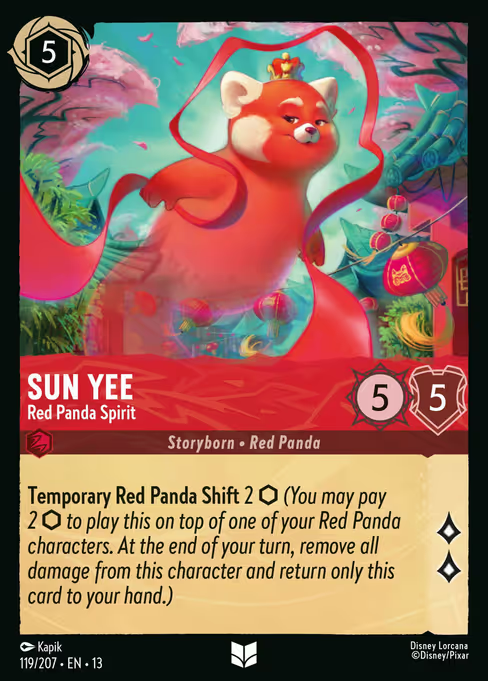
Newer cards print variants of Shift: Universal Shift goes on any of your characters, a classification Shift such as Puppy Shift goes on any character with that classification, Duo Shift and Combo Shift go on two characters named on the card, Temporary Shift returns the card to your hand at the end of the turn, and Potato Shift goes on an item named Potato. Hyperia City also has a Shift cost paid by removing ink drops instead of ink.
Boost
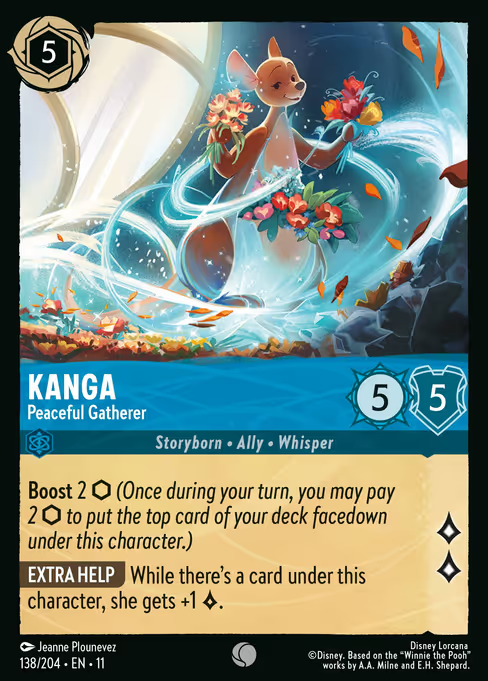
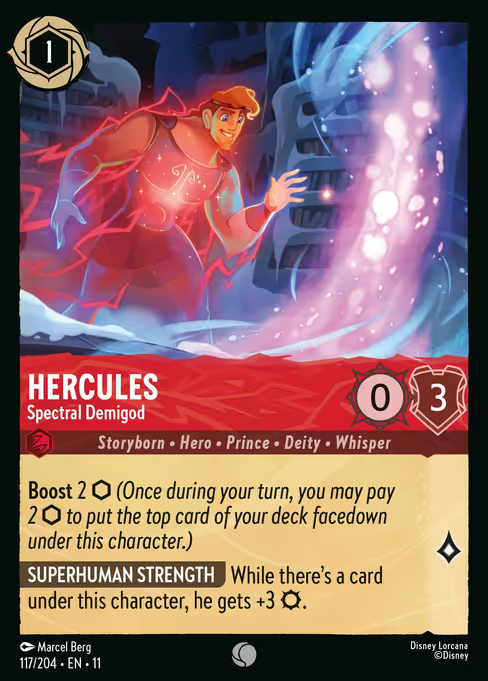
Once during your turn, you may pay N ink to put the top card of your deck facedown under a character with Boost. The card underneath isn't in play and isn't played; what it does depends on the character's other text. Kanga - Peaceful Gatherer gets +1 lore while there is a card under her, and Hercules - Spectral Demigod gets +3 Strength.
Game terms that aren't keywords
These words are on almost every card and in every rules question, but they are basic actions and states rather than keywords.
For where each of these is printed on the card, see how to read a Lorcana card. Which keywords a deck leans on depends a lot on its inks, which the Lorcana ink colors guide covers.
Frequently Asked Questions
How many keywords are there in Lorcana?
Fifteen, as of Hyperia City (October 2026): Adventurous, Alert, Bodyguard, Boost, Challenger, Evasive, Reckless, Resist, Rush, Shift, Singer, Sing Together, Support, Vanish and Ward. The Comprehensive Rules list fourteen in rule 8.1.1 and define Adventurous, the newest, in its own section, 8.16.
What does Ward do in Lorcana?
Your opponents can't choose a character with Ward when they resolve an effect, so it is safe from cards like "banish chosen character". Ward doesn't stop challenges, and it doesn't stop effects that don't choose, such as one that hits each opposing character.
What is Evasive in Lorcana?
A character with Evasive can only be challenged by a character that also has Evasive. Alert characters ignore that limit and can challenge it too.
What is Shift in Lorcana?
Shift is an alternate cost. If you have a character in play with the same name, you can pay the Shift cost to put the new card on top of it. The shifted character keeps the damage and the exerted or ready state of the one underneath, and if that one was dry, the new one can act right away.
Does Bodyguard protect a ready character?
Bodyguard only matters while the Bodyguard character is exerted. Only exerted characters can be challenged, so a ready Bodyguard can't be chosen and doesn't redirect anything. That is why Bodyguard lets the character enter play exerted.
Do Challenger and Resist stack in Lorcana?
Yes. Two instances of Challenger add together, and so do two instances of Resist. Challenger only applies while the character is challenging; Resist reduces damage dealt to the character whether it is challenging or being challenged.
Can a Reckless character sing a song?
Yes. Reckless stops the character from questing and forces it to challenge if it can, but it can still exert to sing a song or to use an ability, and doing that is a way to end your turn without challenging.
Can a drying character sing a song?
No. Singing exerts the character, and a drying character, one played this turn, can't exert to pay a cost.
Build your Lorcana deck.
The Deck Lab checks a Lorcana deck against Core Constructed or Infinity as you build it. Free on iPhone, Android and the web.
Create Free AccountDisney Lorcana card names and images are the property of Disney and Ravensburger and their respective owners. ©Disney. TurnZero HQ is not affiliated with, sponsored, or endorsed by Disney or Ravensburger. Card data and prices come from Lorcast, which republishes TCGplayer market prices.