Riftbound
Riftbound Colors and Domains Explained
Domains are Riftbound's colors. There are six: Fury (red), Calm (green), Mind (blue), Body (orange), Chaos (purple) and Order (yellow). Your Champion Legend has two of them, and your deck can only play cards from those two. This guide covers what each domain does well, what it struggles with, and how to pick a pair.

The six domains at a glance
Riot's rules give each domain a color, a symbol and a one-letter shorthand. The strengths and weaknesses below come from Riot's Deckbuilding Primer, written by the game's director, and the keyword column is what the released cards bear out.
How domains work in a deck
Your Champion Legend shows two domain symbols, and those two are your deck's domain identity. Every card in your deck has to fit it:
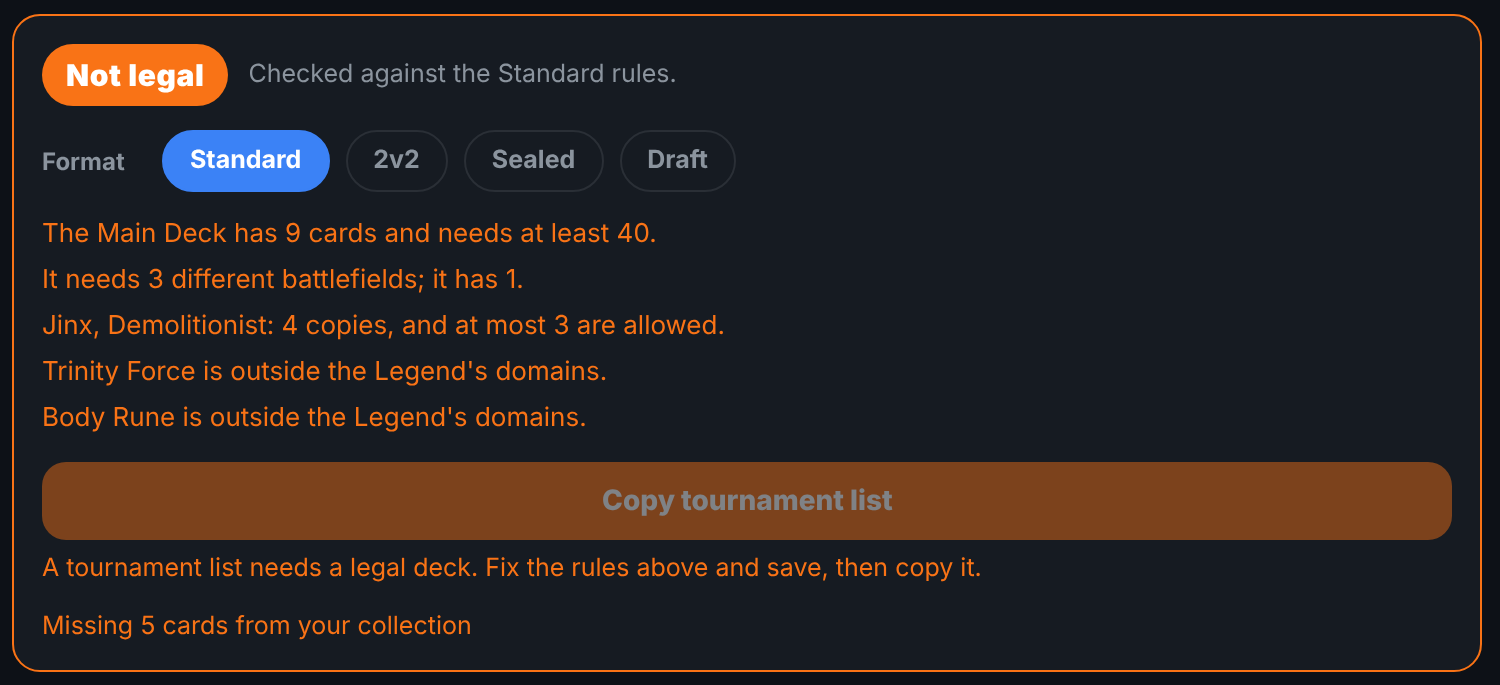
Domains also show up in costs. The domain symbols under a card's Energy cost are its Power cost, and Power comes from recycling runes of that domain. A Fury and Chaos deck with 6 Fury and 6 Chaos runes can pay either kind of symbol, and how you split those 12 runes is one of the first decisions in building a deck. How to read a Riftbound card shows where the symbols are printed.
Fury (red)
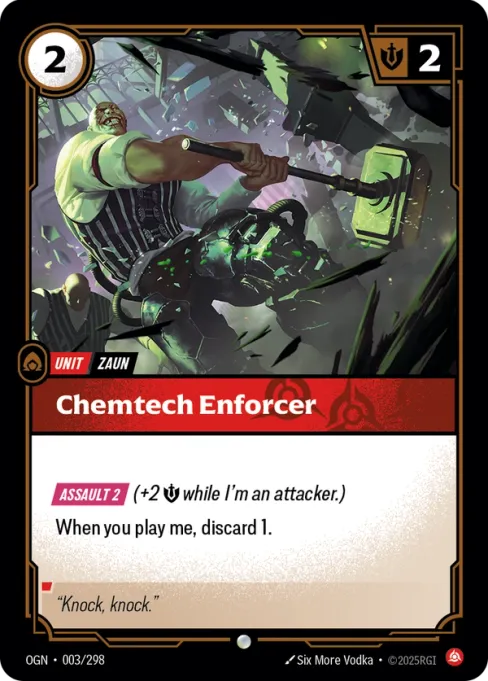
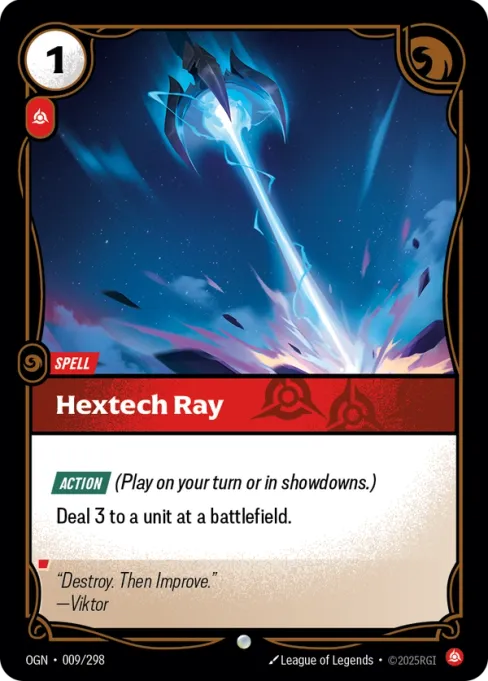
Riot's line for Fury is "aggression, passion, and the thrill of conquering." Fury wants to attack. Its removal deals damage, its units come with ways to enter play ready, and its cards reward you for taking battlefields. Most of the cards that print or grant Assault are Fury, and Fury has more of the Accelerate cards than any other domain.
The tradeoff is staying power. Fury has little card draw, few ways to kill a unit outright, and a hard time reaching units that stay home in their base, so a Fury deck that doesn't win early can run out of cards.
Calm (green)
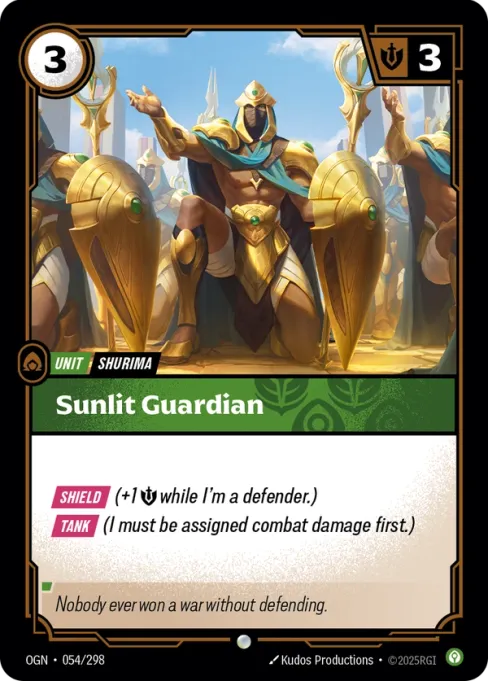
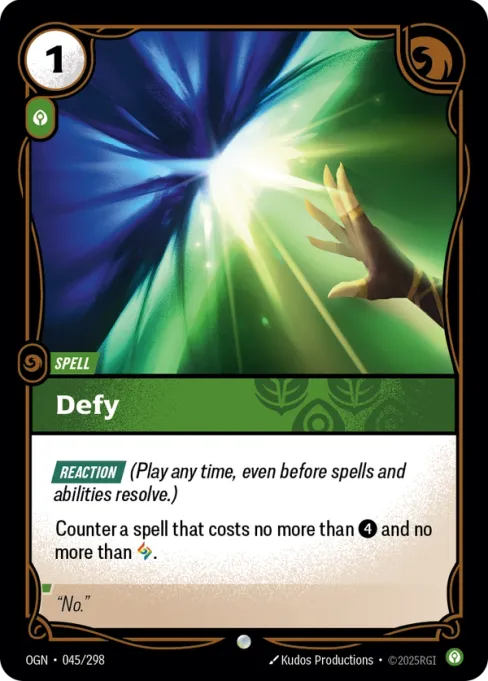
Calm is "balance, meditation, and the peace of holding." It protects battlefields: defensive combat tricks, spells that move enemy units away, and counters that stop the opponent's spells. Calm has more Shield, Tank and Deflect cards than any other domain.
Calm has trouble going on the offensive, and most of its interaction runs through its own units, so it struggles when it has none on the board.
Mind (blue)
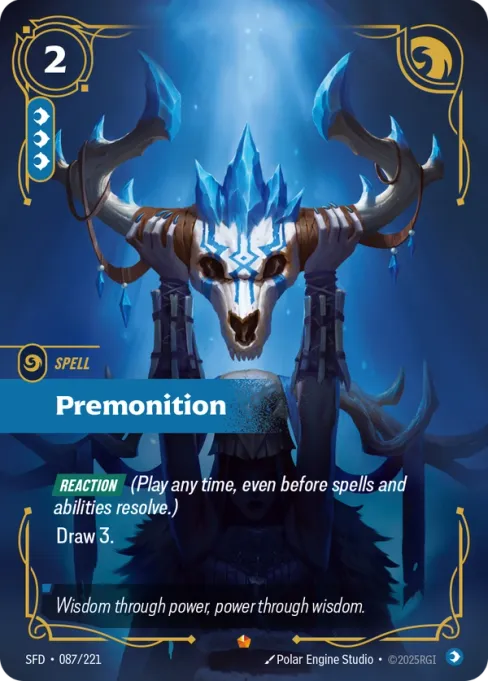
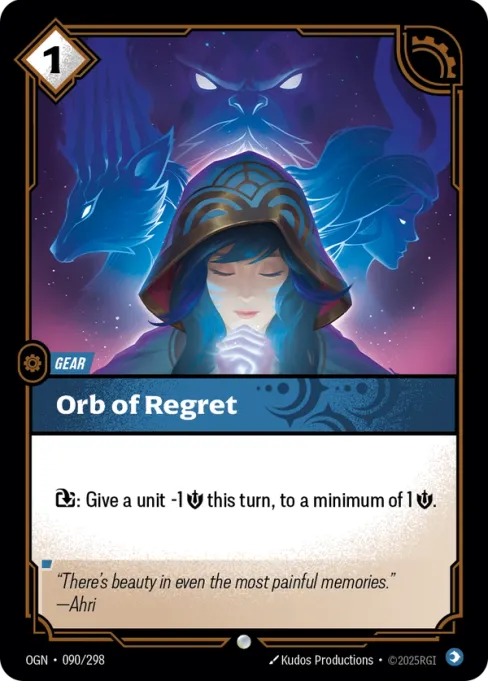
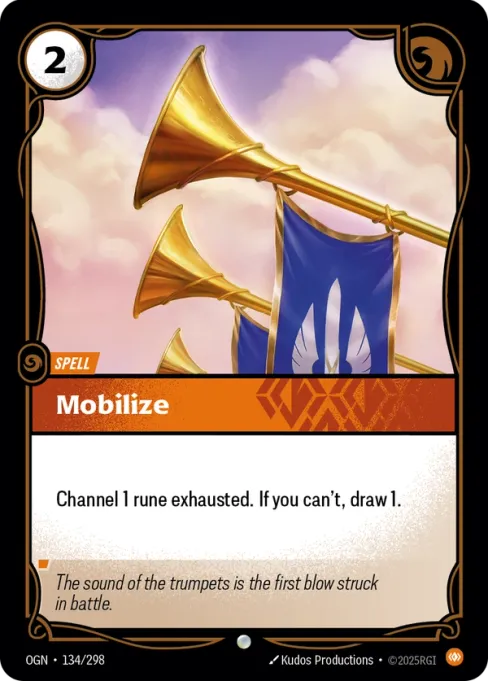
Mind is "innovation, outsmarting opponents, and the benefits of intelligence and curiosity." It plays a longer game: it draws cards, shrinks enemy units with -Might effects, and gets the most out of Hidden cards and gear. Mind has most of the cards with Temporary, and it splits most of the Hidden cards with Chaos, close to a third each.
Its units are less efficient than other domains', and it has few ways to move them, so Mind usually needs its spells to carry the board.
Body (orange)
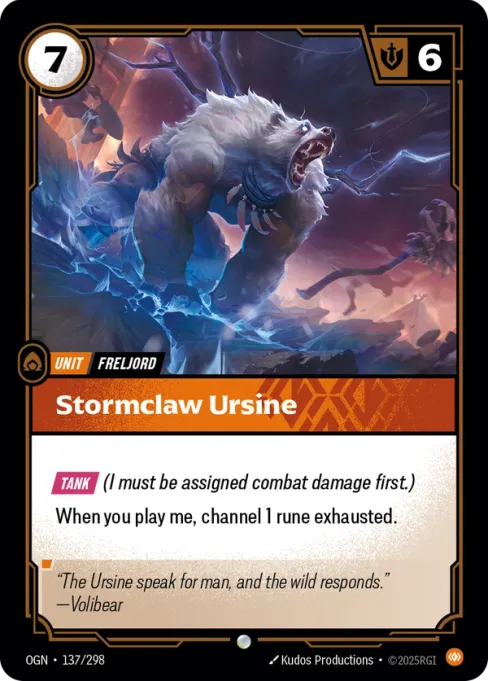
Body is "physical superiority, agility, and connection to the wilds." It grows its resources faster than other domains, with cards that channel extra runes, and spends them on big, efficient units that win combats. Body has the most Hunt cards and the most Weaponmaster cards, both about units doing the work.
Body has little efficient card draw and few spells that do anything outside combat, so it depends on its units surviving.
Chaos (purple)
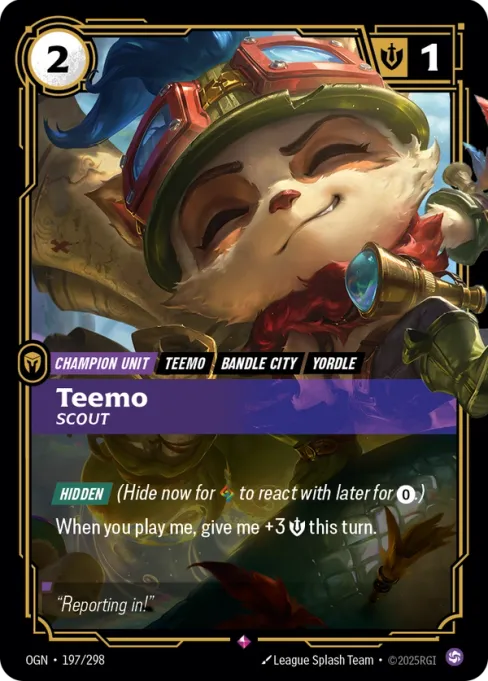
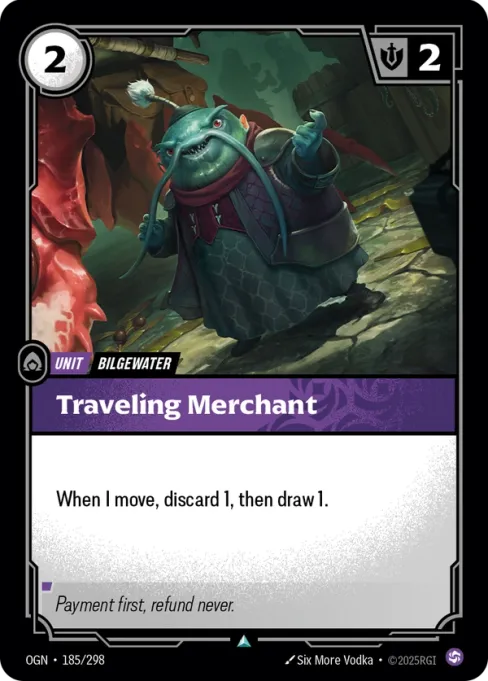
Chaos is "unpredictability, rebellion, and trickiness." It moves units around the board, uses its trash as a resource, hides tricks facedown, and digs through its deck for the card it needs. Chaos has close to a third of the Hidden cards and the most Flow spells, which are played a second time from the trash.
What Chaos lacks is permanence. It has trouble removing threats for good, and its bonuses on units rarely last past the turn.
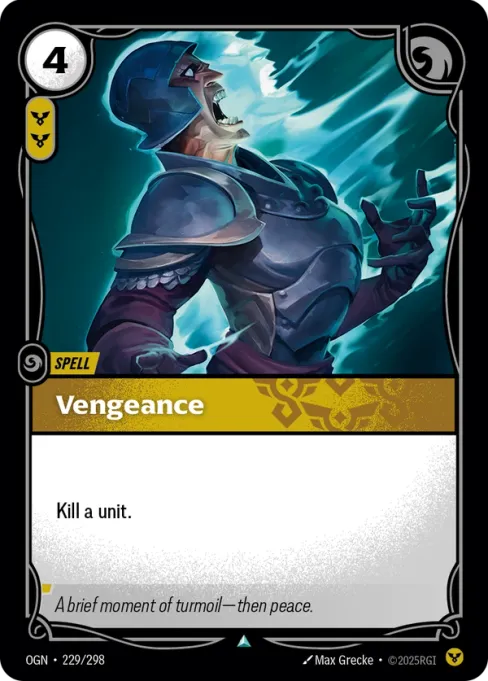
Order (yellow)
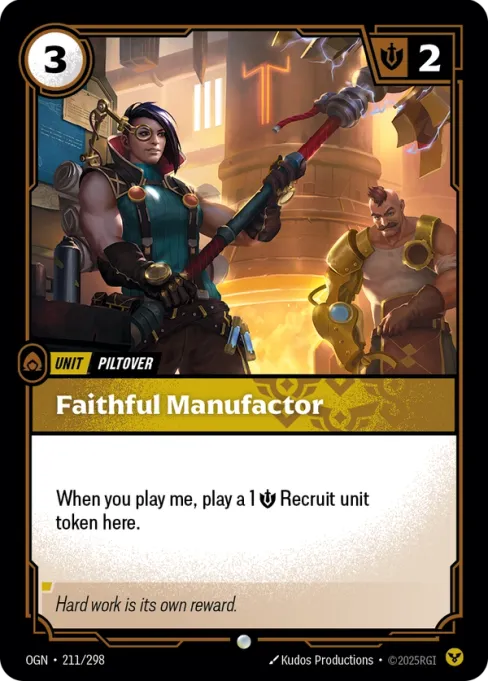
Order is "unity, community, and sacrifice for the greater good." It makes lots of small units, gets value when units die, and its removal kills units outright. Order has about half of the cards with Deathknell, the keyword that pays off when a unit dies.
Order has trouble dealing with an opponent's many small units, and like Mind, it has few ways to move its own.
Domain pairs and Legends
Six domains make 15 possible pairs, and since Vendetta every pair has at least one Legend. Through Vendetta there are 49 Legends, and each domain appears on 16 or 17 of them, so no domain is short of options. The pair matters more than either half: Fury with Chaos plays very differently from Fury with Order.
Cards with two domains are where a pair's identity shows most. They can only go in a deck whose Legend has both, and Riot designs them for that combination. Every Riftbound Legend lists the Legends by domain pair.
Riftbound domains compared to Magic's colors
If you play Magic: The Gathering, a comparison helps at first, but only Fury lines up closely with a single color. Treat the rest as a rough starting point:
Choosing your first domains
Pick by how you want to win, then find a Legend in that pair. Starting with what you like to do is more useful than starting with what is strongest, because the strongest pairs change with each set and ban list.
Proving Grounds, Riot's starter box, covers all six: Annie is Fury and Chaos, Master Yi is Calm and Body, Lux is Mind and Order, and Garen is Body and Order. Playing all four is a quick way to find the domains you like before you buy singles. When you are ready, the guide to building a Riftbound deck covers the rest.
Frequently Asked Questions
What are the six domains in Riftbound?
Fury (red), Calm (green), Mind (blue), Body (orange), Chaos (purple) and Order (yellow). A domain is Riftbound's version of a color: almost every card belongs to one or two, and your Legend decides which two your deck can play.
How many domains can a Riftbound deck use?
Two, the two on your Champion Legend. A card with one domain fits if your Legend has it, a card with two domains needs both, and a card with no domain fits any deck. Your 12 runes must also come from your Legend's domains.
What is the best domain in Riftbound?
None of them is best on its own, because every deck plays two and the pair and the Legend matter more than either half. Riot designed each domain with clear weaknesses, so the right one depends on how you like to play: Fury and Body for attacking with units, Calm for defending battlefields, Mind and Chaos for spells and tricks, Order for wide boards and removal.
Which Riftbound domain is like red in Magic?
Fury is the closest: aggressive units, damage-based removal and ways to attack the turn a unit is played. The other comparisons are looser. Body has green's big units and resource growth, Mind has blue's card draw, and Order mixes white's wide boards with black's kill spells.
Do domains matter for runes in Riftbound?
Yes. Each basic rune has a domain. Recycling it adds 1 Power of that domain, which pays the domain symbols on your cards, so the split of runes in your 12-card rune deck decides which costs you can pay.
Build in your domains
TurnZero HQ's Riftbound deck builder marks each deck Legal or Not legal for its format as you build, and shows your rune odds. Free to start.
Create Free AccountTurnZero was created under Riot Games' "Legal Jibber Jabber" policy using assets owned by Riot Games. Riot Games does not endorse or sponsor this project. Card data comes from Riot Games' official Riftbound card gallery, and prices from TCGplayer via TCGCSV.