Pokémon TCG Beginner Series
How Attacking Works in the Pokémon TCG
Combat in the Pokémon TCG is one attack per turn, from your Active Pokémon to your opponent's. This page covers how you pay for an attack, the order damage is worked out in, Weakness and Resistance, Knock Outs, and the five Special Conditions. Rules as of October 2026.
How does attacking work in the Pokémon TCG?
Once per turn, as the last thing you do, your Active Pokémon can use one of its attacks. It needs the Energy shown in the attack's cost, and the damage goes to your opponent's Active Pokémon unless the attack says otherwise. There is no blocking and no choosing who defends: the two Active Pokémon face each other, and the only way to change the matchup is to switch which Pokémon is Active.
Using an attack ends your turn. The player going first cannot attack on the first turn of the game, and an Asleep or Paralyzed Pokémon cannot attack at all. Where the attack sits in a turn →
Paying for an attack
The symbols to the left of an attack's name are its cost. The attacking Pokémon needs at least that much Energy attached, of the matching types. A Colorless symbol can be matched by Energy of any type. Energy is not spent by attacking: it stays attached, so a Pokémon that can attack this turn can usually attack again next turn.

Mega Lucario ex
Mega Evolution #77
Aura Jab costs one Fighting Energy; Mega Brave costs two.
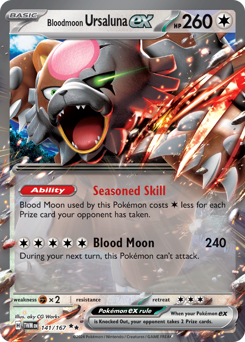
Bloodmoon Ursaluna ex
Twilight Masquerade #141
Blood Moon costs five Colorless: any five Energy.
Some attacks also cost something when you use them, such as discarding Energy or being unable to use the same attack next turn. Mega Lucario ex's Mega Brave does 270 damage, and its text stops it from using Mega Brave again on your next turn.
The order damage is worked out in
Most of the time you read the number next to the attack and double it if the defender is weak. When several cards change the number, the rulebook applies them in this order.
- The attack's damage. The number printed to the right of the attack. A +, × or − beside it means the attack's text says how to change it.
- Effects on the attacking Pokémon, such as a Tool or an earlier attack that says it does more damage "before applying Weakness and Resistance."
- Weakness. If the Defending Pokémon is weak to the attacker's type, apply the number shown. On current cards it is ×2.
- Resistance. If the Defending Pokémon resists the attacker's type, subtract the number shown, usually 30.
- Effects on the Pokémon taking the damage, such as an Ability that says it takes less damage "after applying Weakness and Resistance."
- Place damage counters, one for every 10 damage. If the total is 0 or less, place none.
The phrases "before applying Weakness and Resistance" and "after applying Weakness and Resistance" on cards tell you which step an effect belongs to. Weakness and Resistance only apply to the Active Pokémon. An attack that also damages Benched Pokémon does its printed damage to them with neither applied.

Worked examples

Pikachu ex
30th Celebration #53
Weakness: Fighting ×2.

Mega Gardevoir ex
Mega Evolution #60
Resistance: Fighting −30.
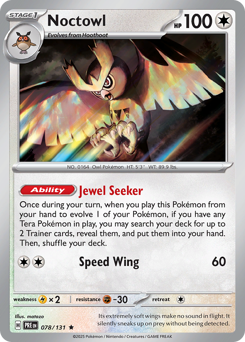
Noctowl
Prismatic Evolutions #78
Resistance: Fighting −30.
A Knock Out needs damage equal to or greater than the Pokémon's remaining HP, so the 100 damage on Noctowl is exactly enough. Which types are weak to which is printed per card, and it follows clear patterns. The Weakness and Resistance chart →
Damage vs. damage counters
Damage and damage counters are different things in the rules, and the difference decides whether Weakness applies. "Does 120 damage" goes through the six steps above. "Put 6 damage counters" skips them: the counters go straight onto the Pokémon, and nothing that changes damage changes them.
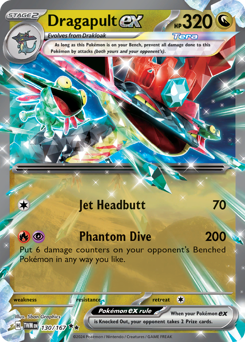
Dragapult ex
Twilight Masquerade #130
Phantom Dive: 200 damage, plus 6 damage counters on the Bench.
Dragapult ex shows both on one attack. Phantom Dive does 200 damage to the Active Pokémon, which Weakness and Resistance can change, and puts 6 damage counters on your opponent's Benched Pokémon in any way you like, which nothing changes. Spread like this is why a Benched Pokémon with low HP can be Knocked Out without ever being Active.
Knock Outs and Prize cards
A Pokémon whose damage reaches its HP is Knocked Out. It goes to the discard pile with every card attached to it, and the player who Knocked it Out takes Prize cards: one for most Pokémon, two for a Pokémon ex, three for a Mega Evolution Pokémon ex. The other player then moves a Benched Pokémon into the Active Spot. If they have none, they lose.
Knock Outs are checked when an attack finishes and again at the end of Pokémon Checkup, so a Pokémon can also be Knocked Out by Poison or Burn damage between turns. How Prize cards win the game →
The five Special Conditions
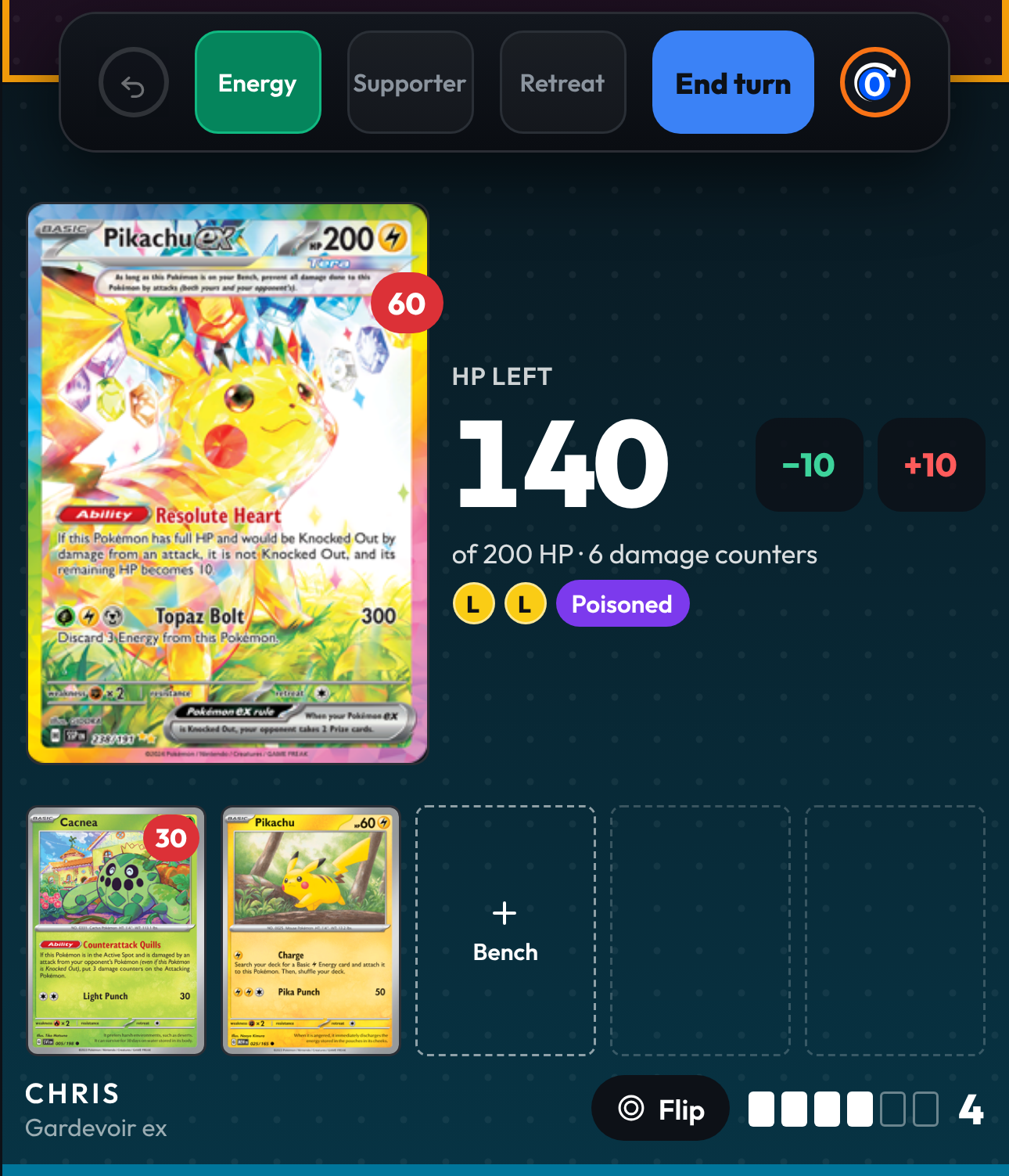
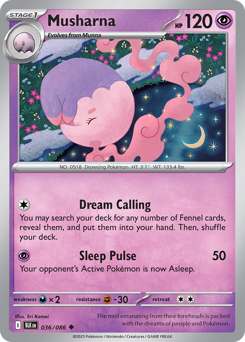
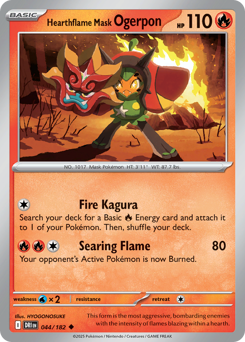
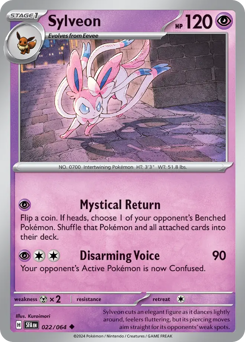
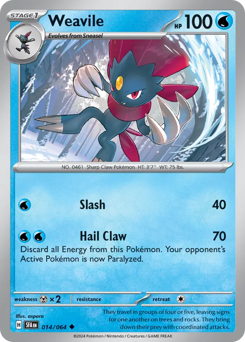
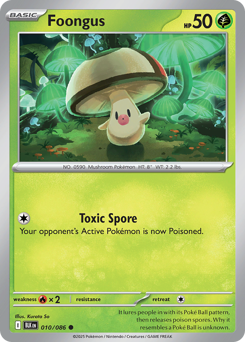
Some attacks leave the opponent's Active Pokémon Asleep, Burned, Confused, Paralyzed or Poisoned. Three of them are shown by turning the card, so a Pokémon can only have one of those at a time, and the newest replaces the old one. Burned and Poisoned use markers instead, so they can stack with each other and with one of the other three.
Pokémon Checkup handles them in a fixed order: Poisoned, Burned, Asleep, then Paralyzed. Moving a Pokémon to the Bench or evolving it clears all five. Since Asleep and Paralyzed Pokémon cannot retreat, clearing those two usually takes a card that switches your Active Pokémon. A Pokémon can be Burned, Poisoned and Paralyzed at once, taking three damage counters every Checkup while it cannot attack or retreat.
Frequently Asked Questions
How does Weakness work in the Pokémon TCG?
If the attacking Pokémon's type matches the Weakness printed on the Defending Pokémon, apply the number shown. On every card legal in Standard that is ×2, so the damage doubles. Weakness applies only to your opponent's Active Pokémon and only to attack damage.
Is Weakness applied before or after Resistance?
Before. Start with the attack's printed damage, add effects on the attacking Pokémon, then apply Weakness, then Resistance, then effects on the Pokémon taking the damage.
How much damage is a damage counter?
10. An attack that does 120 damage puts 12 damage counters on the Pokémon. An effect that says to put damage counters on a Pokémon places them directly, and Weakness and Resistance do not change that number.
Do Weakness and Resistance apply to Benched Pokémon?
No. When an attack damages a Benched Pokémon, it takes the printed amount with neither applied. Cards usually remind you with the line "Don't apply Weakness and Resistance for Benched Pokémon."
How do you get rid of a Special Condition?
Move the Pokémon to the Bench or evolve it, and it recovers from all of them. Asleep and Paralyzed Pokémon cannot retreat, so those two usually need a switching card, a Burned or Asleep Pokémon can recover on a coin flip during Pokémon Checkup, and Paralyzed wears off after its owner's next turn.
Let TurnZero HQ keep the damage counters.
In a two-player game, TurnZero HQ tracks each Pokémon's damage, Special Conditions and Energy, runs Pokémon Checkup, and takes the right number of Prize cards on each Knock Out. Free on iPhone, Android and the web.
Create Free AccountPokémon and Pokémon character names are trademarks of Nintendo. ©Pokémon. ©Nintendo/Creatures Inc./GAME FREAK inc. TurnZero HQ is not affiliated with, sponsored, or endorsed by Nintendo, The Pokémon Company, Creatures Inc., or GAME FREAK inc. Card data comes from the open PokemonTCG dataset, and prices from TCGplayer.