Pokémon TCG
PSA 10 Pokémon Cards
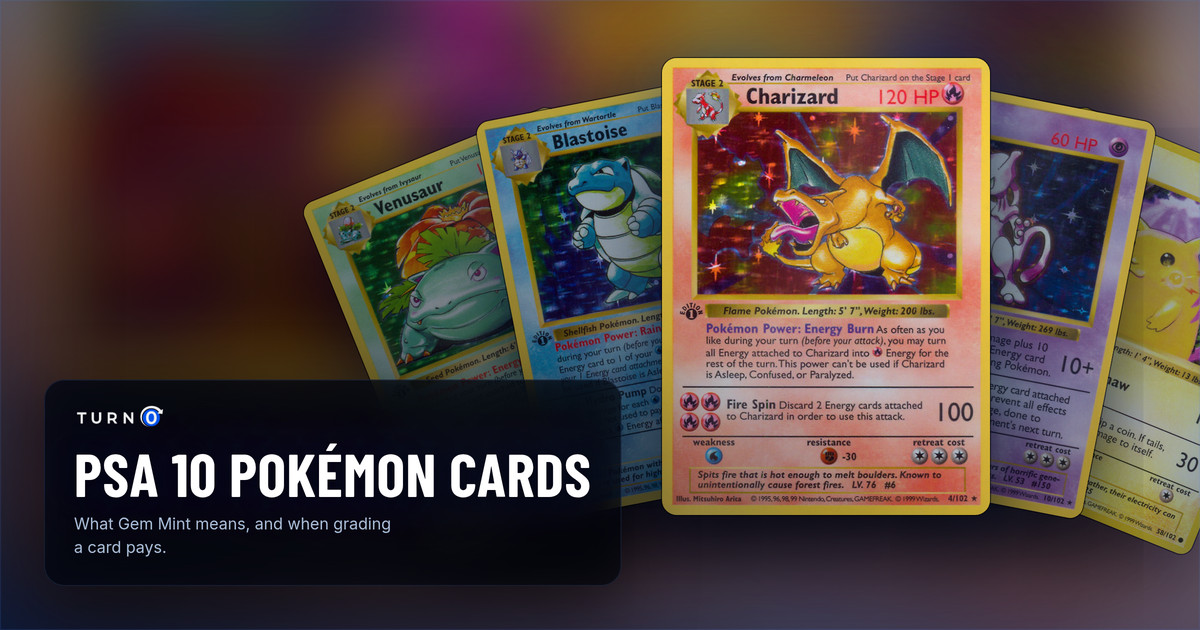
A PSA 10 is a Pokémon card PSA has judged Gem Mint: as close to perfect as a printed card gets. For a valuable card it can multiply the price, and for most cards it isn't worth the fee. Here is what the grade takes, how the graders compare, and how to decide whether to send a card in.
What PSA 10 means
PSA (Professional Sports Authenticator) is the largest card grading company, and 10, Gem Mint, is the top of its scale. PSA describes a Gem Mint card as virtually perfect: four perfectly sharp corners, sharp focus, full original gloss and no staining, with the image centered within about 55/45 on the front and 75/25 on the back. A centering of 55/45 means the border on one side is no more than 55 percent of the two borders together.
A graded card is sealed in a tamper-evident plastic case, called a slab, with a label giving the card, the grade and a certification number you can look up. The grade is PSA's judgment of that one copy, which is why two copies of the same card can sell for very different prices.
The PSA scale
PSA also gives half grades from 1.5 to 8.5; there is no 9.5. A card can carry a qualifier, such as OC for off-center or ST for staining, when one flaw keeps it below the grade the rest of it earns.
What graders check
Every grader looks at the same four things, and you can check them yourself before you pay anyone:
Modern cards often fail on centering and surface straight out of the pack, so a card you just opened isn't automatically a 10. Holofoil and textured cards show scratches and print lines easily.
Beckett, CGC and TAG
PSA is the most common grader for Pokémon cards, and its 10s usually sell for the most, but it is not the only one.
A 10 from one grader is not the same as a 10 from another, and buyers price them differently, so compare sales of the same card from the same grader.
Is it worth grading?
Grade a card when the graded price you can realistically expect is clearly above the raw price plus the cost of grading. PSA prices its service by declared value: the more the card will be worth graded, the higher the tier you have to use, so an expensive card costs more to grade. Add shipping and insurance both ways, and the wait.
Then account for the grade you might get. A card you hope is a 10 can come back a 9 or an 8, and for most cards the price falls sharply below 10. The math works best for valuable cards in excellent condition, and worst for modern cards that are inexpensive raw and printed in large numbers.
The raw price is where the math starts. These modern chase cards had some of the highest ungraded market prices in their sets on October 2, 2026, the kind of card where the grading math is worth doing:
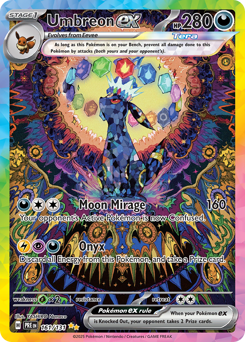
Umbreon ex
Prismatic Evolutions #161
Prismatic Evolutions. $1,337.97 raw.
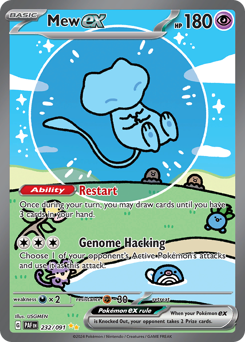
Mew ex
Paldean Fates #232
Paldean Fates. $871.84 raw.
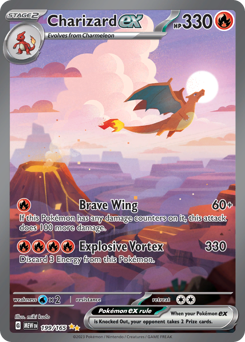
Charizard ex
151 #199
151. $347.68 raw.

Mega Charizard X ex
Phantasmal Flames #125
Phantasmal Flames. $659.68 raw.
Vintage cards follow the same rule with more at stake. A 1st Edition Base Set holo in a top grade is a different purchase from the same card in played condition, and the label is what proves which one it is. 1st Edition and Unlimited explained →
Population reports
A population report is a grader's public count of how many copies of a card it has graded at each grade. A card with few PSA 10s on the report is scarce at that grade, which supports its price, and a rising count of 10s can push the price down over time. Check the report for the grader you plan to use before you decide. TurnZero HQ does not show population reports.
Tracking graded cards
In TurnZero HQ, each copy in your Pokémon collection can carry its grader and grade beside its condition and language. Market prices in the app are for ungraded cards, so a graded copy counts at the value you enter for it, and your collection's total stays honest about what is raw and what is slabbed. How the collection tracker works →
Frequently Asked Questions
What does PSA 10 mean on a Pokémon card?
Gem Mint, the top grade from PSA, the largest card grading company. It means a virtually perfect card: four sharp corners, clean edges, full original gloss, no staining, and centering within about 55/45 on the front and 75/25 on the back. The card is sealed in a tamper-evident plastic case with a label showing the grade.
How much more is a PSA 10 worth than an ungraded card?
It varies widely by card. For a scarce or popular card, a PSA 10 can sell for several times the raw price, because few copies reach it. For a common modern card printed in large numbers, the premium can be small enough that grading costs more than it adds. Check recent sales of that card at that grade before you send it in.
Is a PSA 9 much worse than a PSA 10?
Physically, often barely: a PSA 9 Mint can have one minor flaw, such as a slight print imperfection or off-white borders, and centering up to about 60/40 on the front. In price, the gap between 9 and 10 is usually the largest step on the scale, because collectors pay most for the top grade.
Should I grade my Pokémon cards?
Grade a card when its likely graded price is clearly higher than its raw price plus the grading fee and shipping, accounting for the chance it comes back lower than you hoped. That usually means valuable cards in excellent condition. For most cards, selling or keeping them raw is the better choice.
Can TurnZero HQ track graded Pokémon cards?
Yes. Each copy in your Pokémon collection can carry its grader and grade. TurnZero HQ's prices are market prices for ungraded cards, so a graded copy counts at the value you enter for it. TurnZero HQ does not show population reports.
Keep your slabs and raw cards in one place.
Record each Pokémon card's grader and grade in TurnZero HQ, with your own value for graded copies. Free to start.
Create Free AccountPokémon and Pokémon character names are trademarks of Nintendo. ©Pokémon. ©Nintendo/Creatures Inc./GAME FREAK inc. TurnZero HQ is not affiliated with, sponsored, or endorsed by Nintendo, The Pokémon Company, Creatures Inc., or GAME FREAK inc. Card data comes from the open PokemonTCG dataset, and prices from TCGplayer.