Pokémon TCG
Rare Pokémon Cards
Every Pokémon card tells you how rare it is with a small symbol at the bottom, and the modern sets have more rarities than ever. Here is how to read the symbol, how the chase rarities compare, and which cards are the rarest and most valuable.
The rarity symbol
Look at the bottom of the card, beside the collector number. A black circle means Common, a black diamond Uncommon, and a star Rare or better. That has held since the first English set in 1999, so it works on any card you find. Where everything is on a card →
Modern rarities
Since the Scarlet & Violet sets of 2023, the stars carry the rest of the ladder. These are the rarities in a current main set, from most common to rarest:
The Mega Evolution sets use the same ladder with a gold Mega Hyper Rare at the top for a Mega Evolution Pokémon ex, and some sets add their own: ACE SPEC Rare for the most powerful Trainers, Shiny Rare in Paldean Fates, Black White Rare in Black Bolt and White Flare, and Mega Attack Rare in Ascended Heroes.
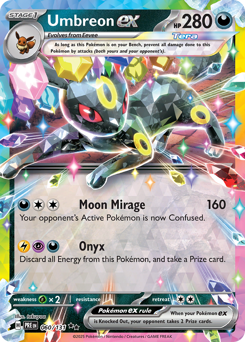
Umbreon ex
Prismatic Evolutions #60
Double Rare. $8.43.
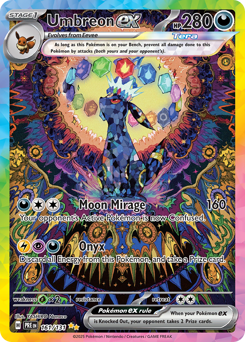
Umbreon ex
Prismatic Evolutions #161
Special Illustration Rare. $1,337.97.
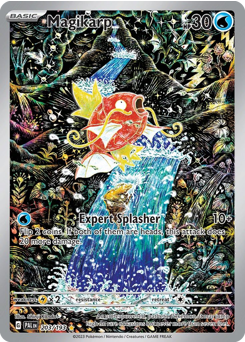
Magikarp
Paldea Evolved #203
Illustration Rare, Paldea Evolved. $365.41.
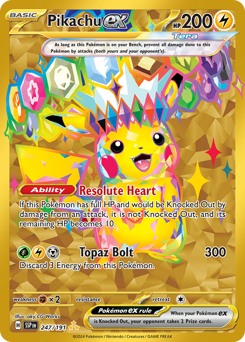
Pikachu ex
Surging Sparks #247
Hyper Rare, Surging Sparks. $79.77.
Prices are TCGplayer market prices on October 2, 2026, ungraded. Note the Magikarp: an Illustration Rare of a common Pokémon can outsell most ex cards when collectors love the art.
Secret rares
The collector number tells you something the symbol doesn't. A card numbered above the set's printed total, such as 199/165, is a secret rare: it was left off the count printed on every other card. In current sets, every Illustration Rare and above is numbered this way, so a number past the total is a quick sign you have one of the set's chase cards.
TurnZero HQ's set completion counts a set against its printed total and keeps the secret rares apart, so finishing the main set and chasing the secrets show up as two separate goals. How set completion counts →
Older rarities
Older eras had rarities that are gone now, and several are among the most collected cards in the game:
The most valuable cards
The most valuable Pokémon cards of all are graded copies in the top grade. Pikachu Illustrator, a Japanese promo from 1998 given to winners of an illustration contest, holds the record, and top-grade 1st Edition Base Set Charizards are among the most expensive cards ever sold. Those prices depend on a grade few copies reach, and no ungraded card comes close. What a PSA 10 is →
Among ungraded cards, these had some of the highest TCGplayer market prices in TurnZero HQ's catalog on October 2, 2026. Vintage prices like these come from few sales, so they move more than a modern card's and depend heavily on condition.
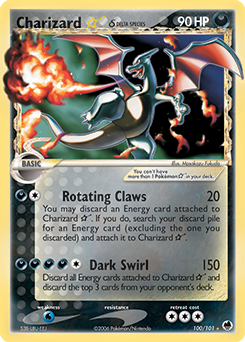
Charizard ★ δ
Dragon Frontiers #100
Dragon Frontiers. A Gold Star Charizard.
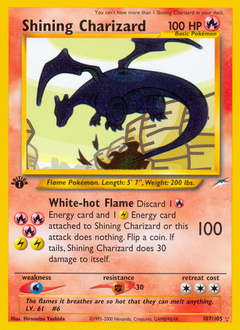
Shining Charizard
Neo Destiny #107
Neo Destiny. A Shining Pokémon.
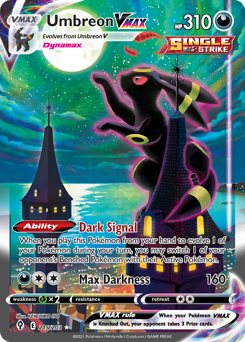
Umbreon VMAX
Evolving Skies #215
Evolving Skies. The alternate art Umbreon VMAX.
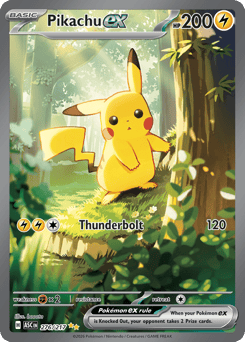
Pikachu ex
Ascended Heroes #276
Ascended Heroes. The most valuable Mega Evolution series card on that date.
Rare isn't the same as valuable
Rarity sets the supply and demand sets the price. A Hyper Rare of an unpopular Pokémon can sell for a few dollars while an Illustration Rare of a favorite sells for hundreds, and the same card is worth very different amounts in Near Mint and in played condition. The only reliable answer for your card is the current price of its exact printing and variant. How to check what a card is worth →
That is how TurnZero HQ values a Pokémon collection: each copy by its printing and variant, from daily TCGplayer prices, with a 90-day price chart on every card page.
Frequently Asked Questions
How do I know if my Pokémon card is rare?
Look at the bottom of the card. A circle means Common, a diamond Uncommon, and a star Rare or better. On cards from 2023 on, the number and color of the stars tell you the rarity, from one black star for a Rare to three gold stars for a Hyper Rare. A collector number above the set's printed total, like 199/165, also means a secret rare.
What is the rarest Pokémon card?
The rarest cards are prizes and promos that were never sold in packs, such as trophy cards from tournaments, with only a handful in existence. Among cards you could pull from a pack, the scarcest are early holofoils in top condition, the Gold Star cards of 2004 to 2007, and the top rarities of each modern set.
What is the most valuable Pokémon card?
Graded copies hold the records: Pikachu Illustrator, a Japanese promo from 1998, has sold for the most, and top-grade 1st Edition Base Set Charizards are among the most expensive cards ever sold. Among ungraded cards in TurnZero HQ's catalog on October 2, 2026, the highest market price was the Dragon Frontiers Gold Star Charizard. Modern cards can be worth a lot too: the Prismatic Evolutions Umbreon ex Special Illustration Rare was $1,337.97.
Is a Special Illustration Rare rarer than a Hyper Rare?
The Pokémon Company doesn't publish pull rates, and collectors' counts put the two close together in most sets. Price is a different matter: a popular Pokémon's Special Illustration Rare usually sells for more than its gold Hyper Rare, because collectors pay most for the art.
Are holo Pokémon cards rare?
Not on their own. In current sets every Rare is printed holofoil, and every pack has reverse holofoil cards, so a shiny card is normal. Rarity comes from the symbol and the collector number, not the shine.
Find the rare cards in your collection.
TurnZero HQ values every Pokémon card you own by printing and variant, from daily TCGplayer prices. Free to start.
Create Free AccountPokémon and Pokémon character names are trademarks of Nintendo. ©Pokémon. ©Nintendo/Creatures Inc./GAME FREAK inc. TurnZero HQ is not affiliated with, sponsored, or endorsed by Nintendo, The Pokémon Company, Creatures Inc., or GAME FREAK inc. Card data comes from the open PokemonTCG dataset, and prices from TCGplayer.