Yu-Gi-Oh! · Card Colors
Yellow and Green Yu-Gi-Oh! Cards: Pendulum Normal Monsters
A Yu-Gi-Oh! card that is yellow on top and green on the bottom is a Pendulum Normal Monster. As a monster it is a Normal Monster with flavor text, like any yellow card. In a Pendulum Zone it is a Spell with a Pendulum Scale, and most of these cards print a Pendulum Effect in the upper box.
Yellow and green is the frame of a Pendulum Normal Monster. It starts in the Main Deck. Pendulum Normal Monsters: flavor text as a monster, but most still print a Pendulum Effect. Main Deck.
38 cards released in the TCG are yellow and green, as of November 2, 2026. See the full color chart →
What a Yellow and green Yu-Gi-Oh! Card Is
The top half is yellow because the monster is a Normal Monster: its lower text box is flavor text. The bottom half is Spell green because the card can also sit in a Pendulum Zone. The upper text box, between the two Pendulum Scale numbers, holds the Pendulum Effect, which only works while the card is in a Pendulum Zone.
Yellow and green is a Main Deck combination. The card goes in your Main Deck and counts toward its 40 cards.
How Pendulum Normal Monsters Play
Any Pendulum Monster can be played two ways. Summon it and it is a monster like any other of its top color. Place it in your leftmost or rightmost Spell & Trap Zone instead and it is a Spell Card there, sitting in a Pendulum Zone, where its Pendulum Scale (the numbers either side of the upper text box) and its Pendulum Effect apply. With a card in each Pendulum Zone, once per turn you can Pendulum Summon any number of monsters whose Levels fall strictly between the two Scales, from your hand and face-up from your Extra Deck.
When a Pendulum Monster on the field would go to the Graveyard, it goes to your Extra Deck face up instead. That is what keeps Pendulum decks going: the monsters you lose come back with the next Pendulum Summon. A monster Pendulum Summoned from the face-up Extra Deck must go to an Extra Monster Zone or a zone a Link Monster points to.
Because these are Normal Monsters while they are monsters, they work with every card that supports Normal Monsters, and in a Pendulum Zone they bring an effect a yellow card never has. Odd-Eyes Arc Pendulum Dragon is the clearest example: a Normal Monster on the field, an Odd-Eyes support card in the Pendulum Zone.
What to Know About Yellow and green Cards
- On the field as a monster, it is a Normal Monster with no monster effect.
- In a Pendulum Zone, it is a Spell Card with a Pendulum Effect.
- When it would go to the Graveyard from the field, it goes face up to your Extra Deck instead.
- It starts in the Main Deck.
Yellow and green Cards by the Numbers
Counted from YGOPRODeck's card database, the source of TurnZero HQ's Yu-Gi-Oh! catalog, as of November 2, 2026: every card with a TCG release, each counted once however many times it was reprinted. Pendulum Normal Monsters are among the rarest frames in the game: 38 of the 14,012 cards released in the TCG.
Yellow and green Card Examples
4 cards that show what a yellow and green frame means, chosen to explain the color rather than to rank the best ones. Each links to its card page with every printing and its price.

Odd-Eyes Arc Pendulum Dragon
LEDD-ENC00
Normal with a Pendulum Effect
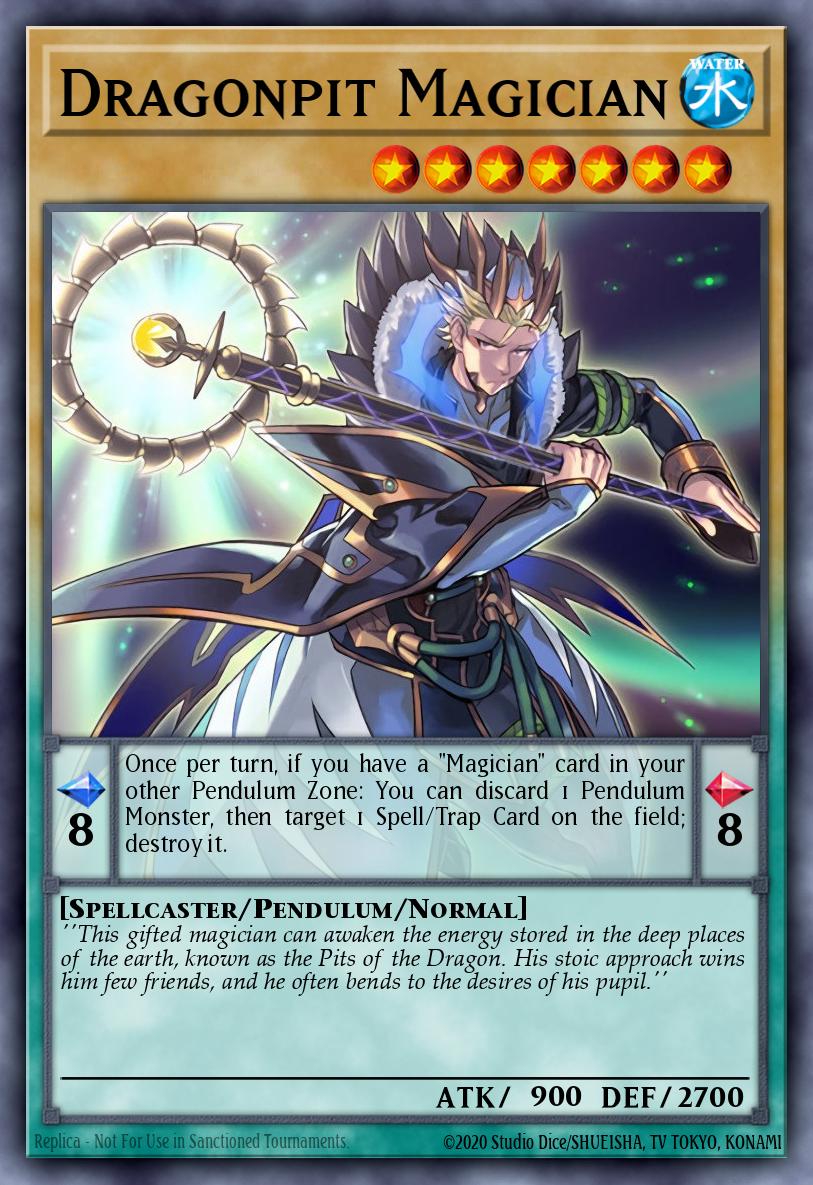
Dragonpit Magician
PEVO-EN014
Scale 8
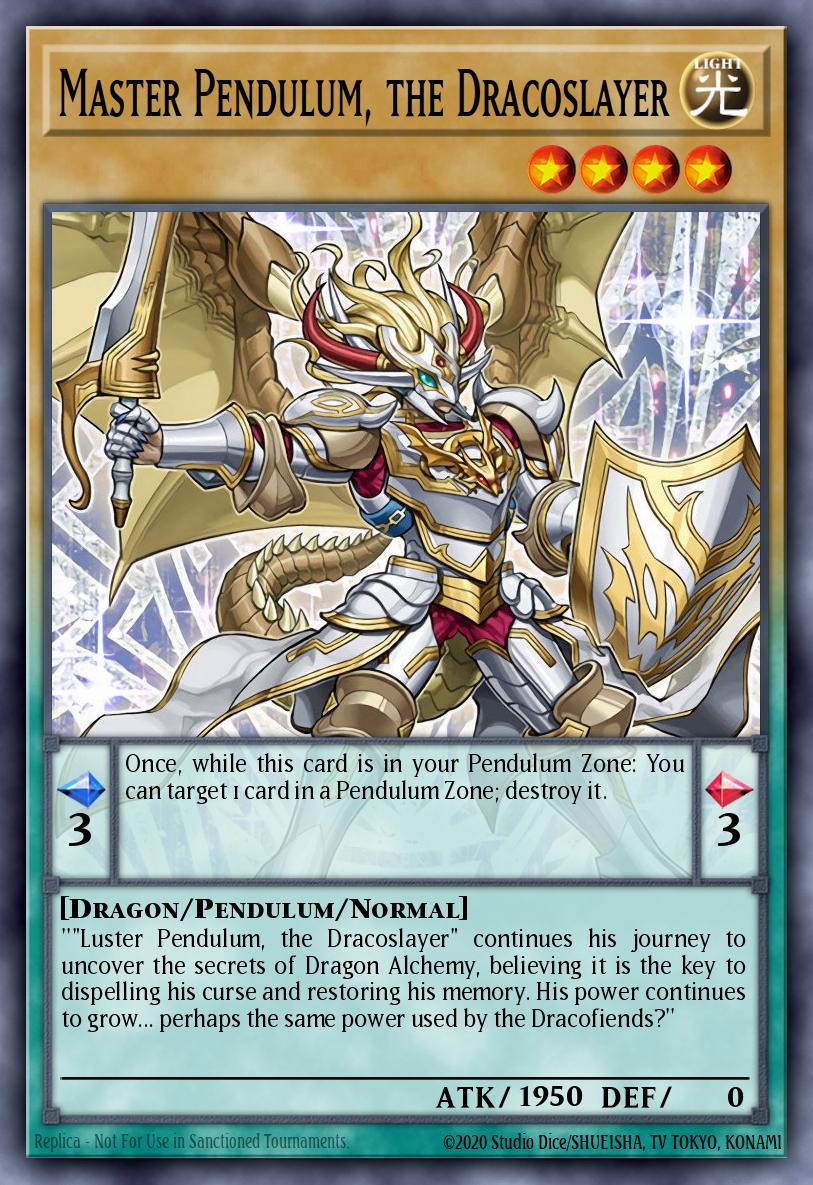
Master Pendulum, the Dracoslayer
BOSH-EN023
Scale 3

Qliphort Scout
MP15-EN144
Archetype engine
- Odd-Eyes Arc Pendulum Dragon: A Level 7 Normal Monster with Scale 8. In the Pendulum Zone, when an Odd-Eyes card you control is destroyed, you can Special Summon an Odd-Eyes monster from your hand, Deck or Graveyard.
- Dragonpit Magician: A Level 7 Normal Monster. With a Magician card in your other Pendulum Zone, discard a Pendulum Monster to destroy a Spell or Trap.
- Master Pendulum, the Dracoslayer: A Level 4 Normal Monster. Once while it is in the Pendulum Zone, you can destroy a card in a Pendulum Zone.
- Qliphort Scout: A Level 5 Normal Monster with Scale 9. In the Pendulum Zone it pays 800 Life Points to search a Qli card, but you can only Special Summon Qli monsters.
The Two Halves
Each half of a yellow and green card is a color of its own. The top is the yellow of a Normal Monster, and the bottom is the green of a Spell Card.
Every Yu-Gi-Oh! Card Color
The other frame colors, each with its own page. Main Deck colors come first, then the Extra Deck, Tokens and the two-tone Pendulum frames.
Frequently Asked Questions
What does a yellow and green Yu-Gi-Oh! card mean?
It is a Pendulum Normal Monster. The yellow top means it is a Normal Monster when Summoned; the green bottom means it can be placed in a Pendulum Zone as a Spell. It goes in your Main Deck.
Does a Pendulum Normal Monster have an effect?
Not as a monster: its monster text is flavor text. Most do have a Pendulum Effect in the upper text box, which only applies while the card is in a Pendulum Zone.
Does a Pendulum Normal Monster count as a Normal Monster?
Yes, while it is a monster: on the field in a Monster Zone, in your hand or in your Deck. In a Pendulum Zone it is treated as a Spell Card instead.
Sort your Yu-Gi-Oh! cards in TurnZero HQ.
Scan cards by their set code, see what each printing is worth, and build a deck checked against the Forbidden & Limited List. Free on iPhone, Android and the web.
Create Free AccountYu-Gi-Oh! card names and images are the property of Konami Digital Entertainment and their respective owners. ©Studio Dice/SHUEISHA, TV TOKYO, KONAMI. TurnZero HQ is not affiliated with, sponsored, or endorsed by Konami. Card data comes from YGOPRODeck, and prices from TCGplayer via TCGCSV.